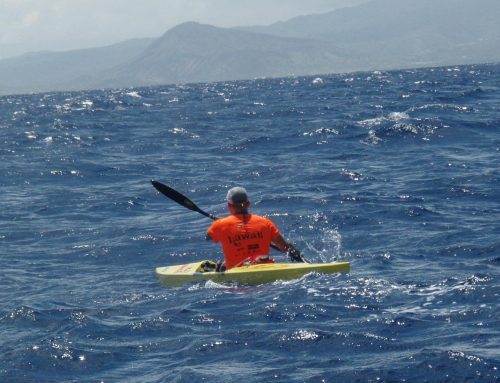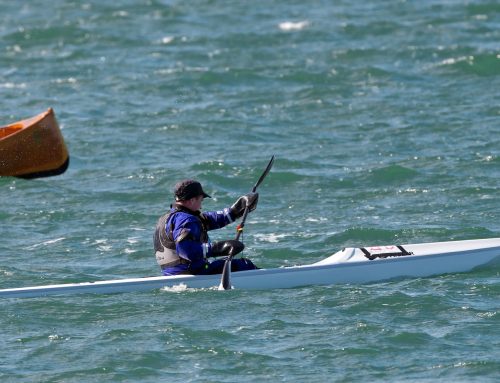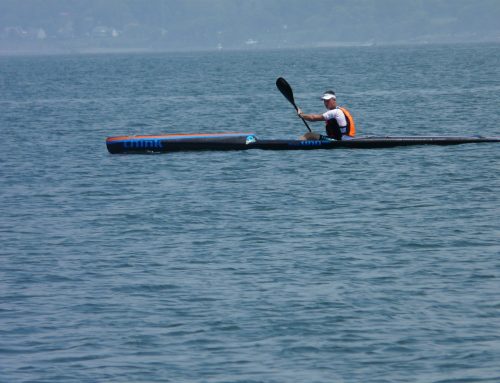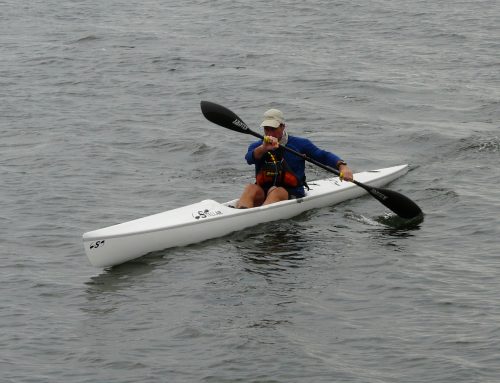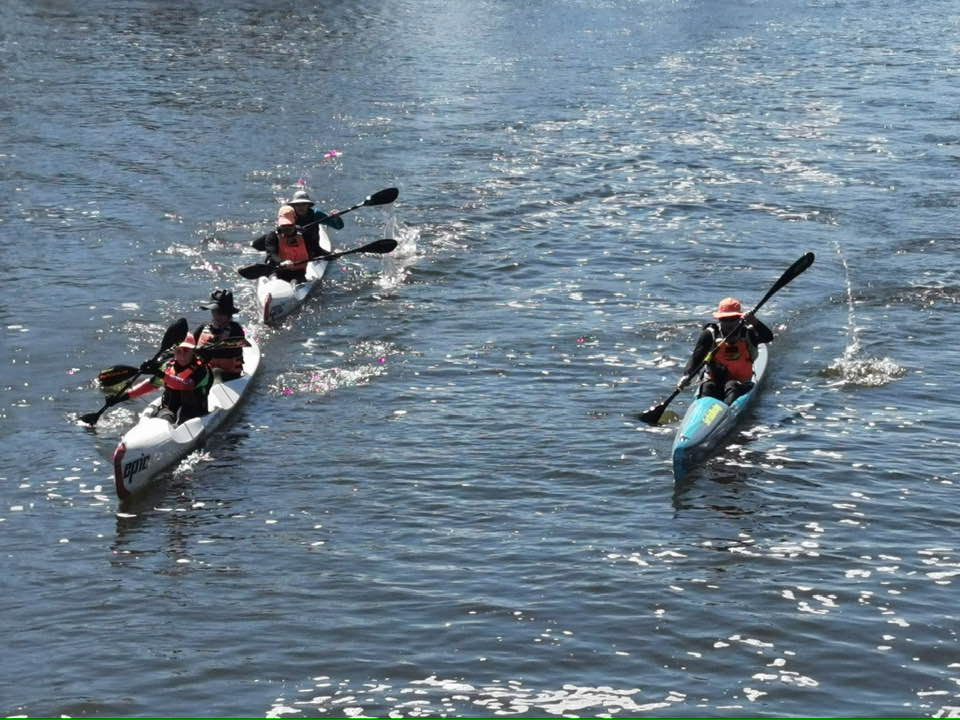
Performance in the ocean is not defined by how things look when everything is working. It is defined by how long they continue to work as conditions change. When performance falls apart in an ocean race, it rarely feels gradual. It feels like receding surf. One moment the boat is moving well, decisions are clear, and effort feels controlled. Then something changes. Timing slips, a wave is missed, then another. What had been working begins to require more attention. Your target begins to pull away, regardless of how hard you dig.
What appears as a single failure is often the visible end of a longer process. Stress has been accumulating, acute adaptation has plateaued, fatigue and wear have been building quietly. By the time the change is noticed, your system has less margin than you realized. This loss of margin tends to begin physically. As load increases through pace, duration, or conditions, movements become slightly less efficient and stabilization requires more effort. Nothing fails, but there is less room to absorb error.
As your physical margin narrows, your mental system works harder, and fatigue increases. Reading the water takes longer. Decisions arrive a bit later. Actions follow with less immediacy. You may still be functioning well enough, but with increasing effort directed toward maintaining clarity. Over time, your composure becomes less stable. Uncertainty carries more weight. Small disruptions feel larger than they are. You may hesitate to take action when you would normally commit, or over-commit where patience would have been enough.
Technical changes are often the first things that are visible. The stroke loses some fluidity. Boat handling becomes more reactive. Lines are recognized, but too late to use effectively. Corrections increase, and each one adds a small amount of additional load. Stability suffers. At that point, the system begins to reinforce its own instability. More effort adds physical stress. Reduced clarity leads to less efficient decisions. Composure becomes harder to maintain. Technique is asked to compensate for limits it cannot fully resolve.
To the outside observer, this breakdown looks like a sudden loss of performance. To the paddler, however, it feels like power and control slipping away.
Because the visible effects are technical, it is natural to look for solutions there. Sometimes technical refinement helps briefly. More often, it does not hold. Technique reflects the state of the system beneath it. You can’t exude proper technique when you’re exhausted.
Avoiding this pattern is less about fixing breakdowns and more about preserving margin before it disappears. Training plays the primary role here, building capacity across physical, mental, and emotional systems so that no single layer is pushed beyond its limits. This is what we’ll be diving into over the rest of this series.