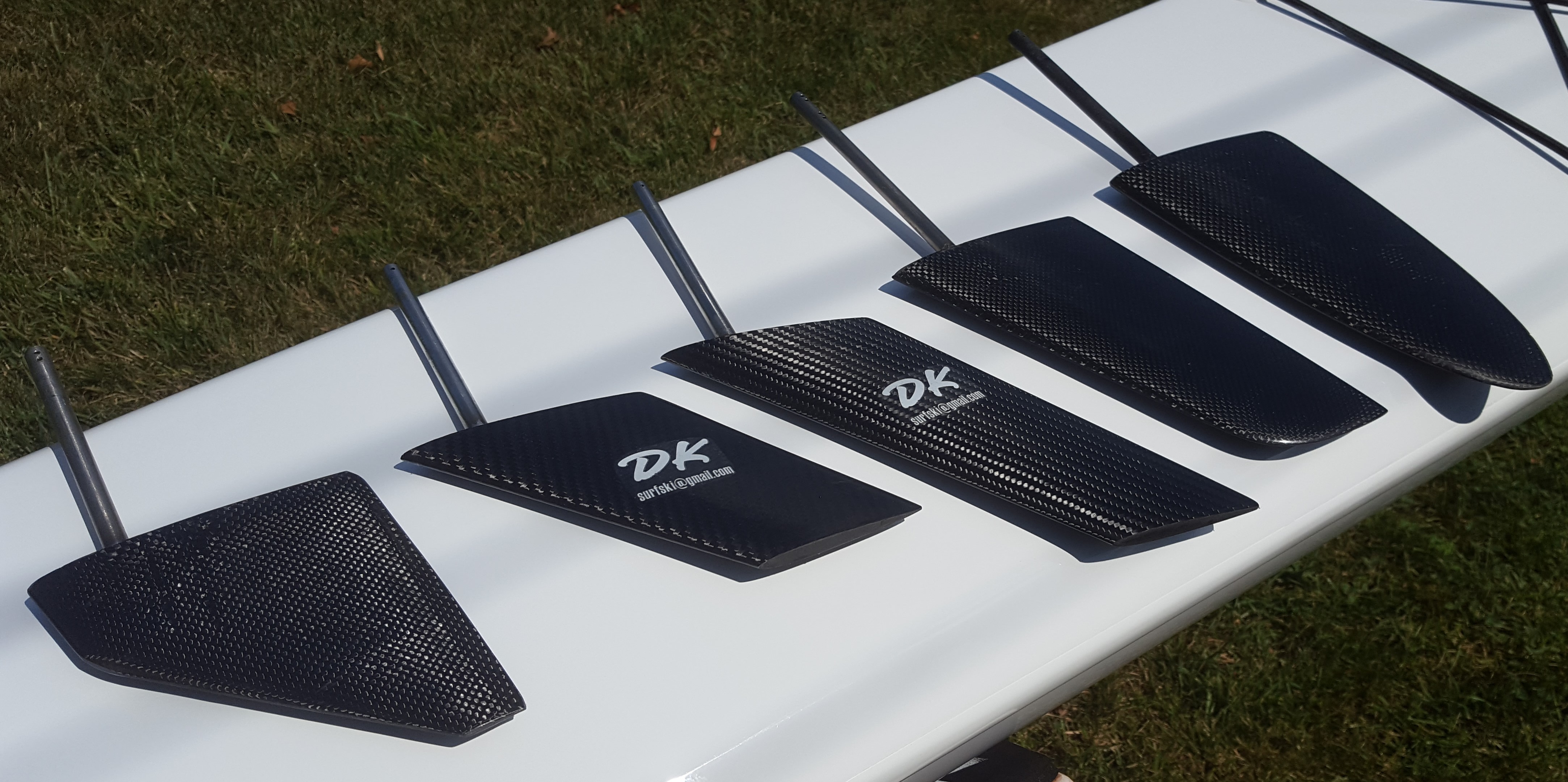
Rudders are often talked about in absolute terms. Bigger is safer. Smaller is faster. One setup is “correct,” another is a compromise. Downwind paddling tends to unravel that kind of thinking. In moving water, rudder choice is less about correctness and more about which tradeoffs you are willing to make on a given day.
Every rudder provides control by creating resistance. That resistance can be helpful or costly depending on how energy is organized beneath the boat. In clean, evenly spaced conditions, subtle input is often enough to stay on line, and excessive steering can feel like unnecessary drag. In disorganized or cross-influenced water, however, delayed or insufficient response can force larger corrections later, costing more energy than the rudder ever would.
This is where the idea of “control” becomes slippery. Control does not mean the ability to point the boat anywhere at any time. It means the ability to make small, timely adjustments without interrupting glide. A rudder that responds predictably allows the paddler to stay relaxed, anticipate changes, and keep eyes forward rather than reacting late. When that predictability is missing, paddling becomes defensive, even if the boat is technically fast.
Spring conditions tend to highlight this tension. Energy is present but uneven. Wind direction may shift mid-run. Waves arrive at imperfect angles. In these moments, a more responsive rudder often reduces cognitive load. It gives the paddler permission to focus on reading the water instead of managing instability. That reduction in mental effort is not trivial. It directly affects how well you can link, choose lines, and recover from mistakes.
The important distinction is that this is not about choosing “more” or “less” rudder in general. It is about recognizing that control always comes with a cost, and that cost is only worth paying when it buys something meaningful in the conditions at hand. A setup that feels excessive on a perfect summer run may feel exactly right on a cold, mixed spring day. Neither experience invalidates the other.
Seen this way, rudders stop being a declaration of intent and start being a situational tool. The question is no longer which rudder is fastest in theory, but which one allows you to stay connected to the energy in front of you. Downwinding rewards the ability to make those contextual choices without attaching them to identity or progression.
As the series moves deeper into execution, steering will reappear in more practical terms: lines, linking, and maintaining glide. For now, the point is simpler. Control is never free. The art of downwinding lies in choosing when it is worth the price.