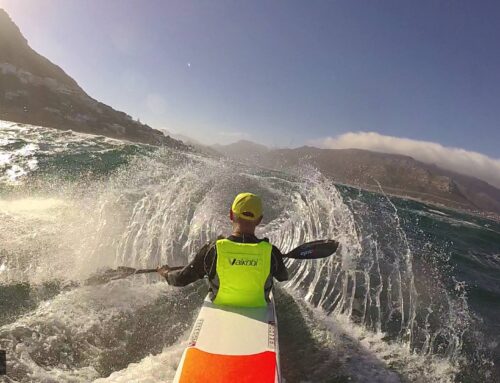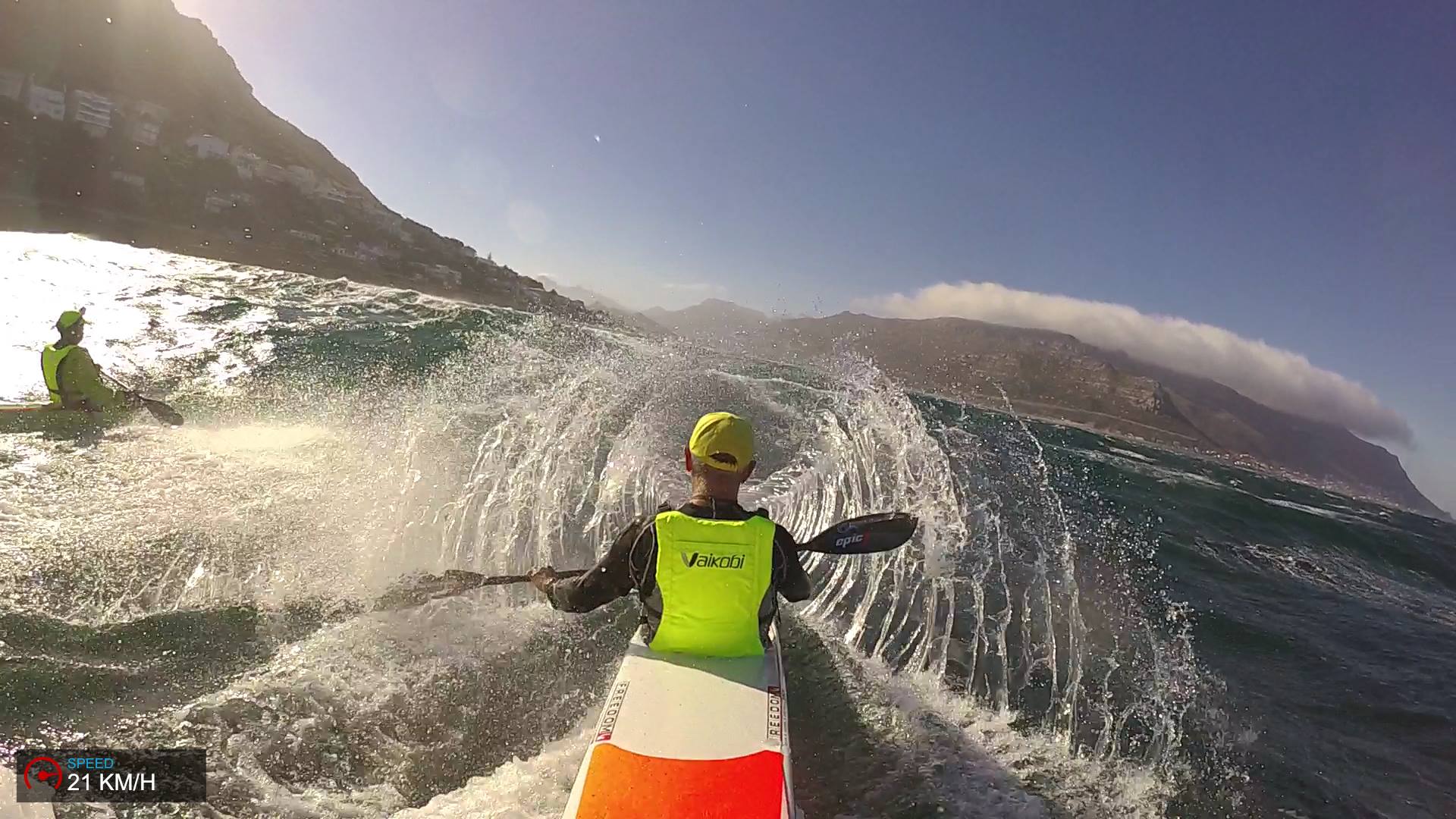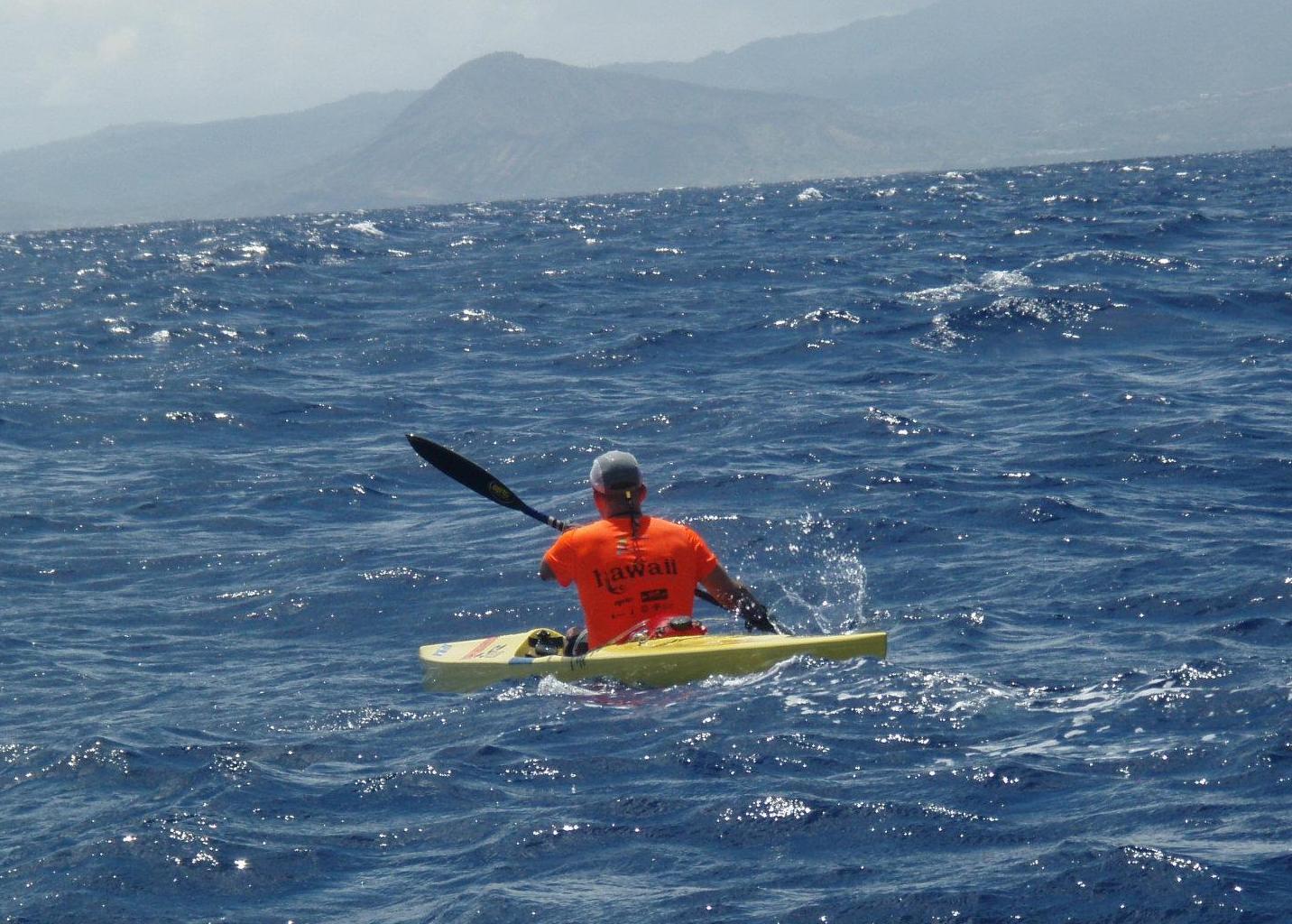
The line appears before the decision to take it is fully formed. A shift in the water texture, maybe forty meters ahead, something about the way a long roller is organizing at an angle to the dominant swell, and the bow is already moving in that direction. A few strokes in and the water is doing something: a sustained push, longer than the usual bump, with a second pulse arriving from the left at the right moment to extend it. For fifteen or twenty seconds the run has a different quality. Then it’s over.
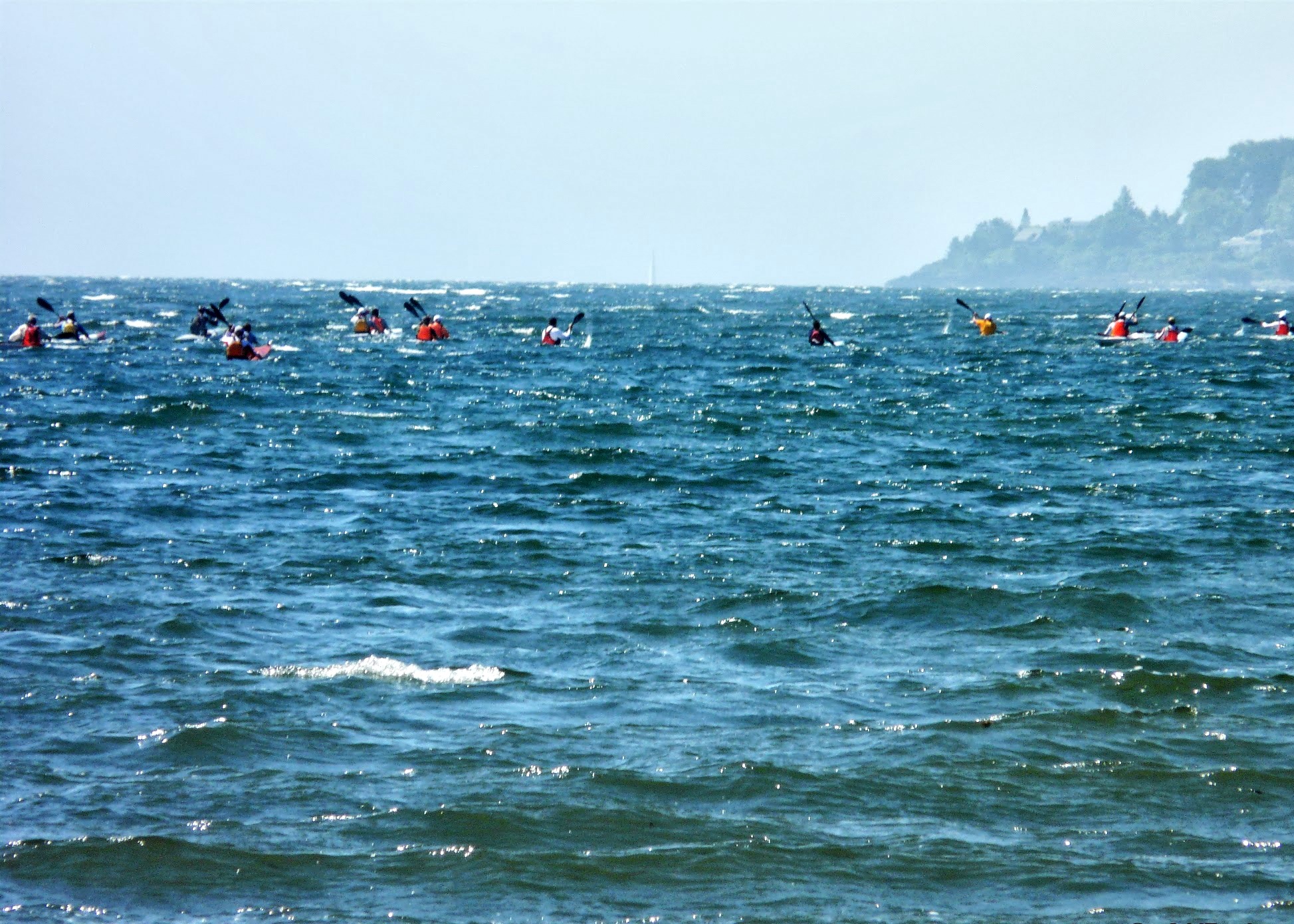
That sequence happens often enough on a good downwinding day that it starts to feel like something learnable. But the learning is strange, because most of what worked isn’t visible or articulable in the moment. The zones of open ocean water are organizing and reorganizing continuously, energy from different directions interfering, building, canceling. Some patches are gathering; others have spent what they had. The difference between them isn’t obvious from the outside. It reveals itself from inside the boat, after the bow is already there.
This is the part that makes line-reading difficult to practice deliberately. The feedback is almost always delayed. A paddler commits to a zone, paddles into it, and finds out a few seconds later whether the read was right. By the time the answer comes, the conditions have shifted again. There is no clean loop of decision and result. The water doesn’t confirm or deny. It just does what it does. And the experience of one run doesn’t translate cleanly to the next, because the energy that organized here yesterday is somewhere else today.
What accumulates over time is something closer to feel than knowledge. The specific texture of water about to lift. The quality of a pause that means another pulse is coming. The way a zone that has spent itself feels different from one that’s still organizing. These things resist description but get stored anyway, in the hands and the balance and the peripheral vision. Experienced paddlers read lines from accumulated impression, moving with enough confidence to act before the next step is fully visible.
This is also why committing too hard to a single line is a mistake in active conditions. A line is a probability, read and updated continuously. The paddler who locks onto something and drives toward it through changing water is answering a question the water has already stopped asking. Whatever the line was when chosen, it’s something else by the time the boat has covered a hundred meters.
The best runs tend to feel less like executing a plan and more like staying in conversation with water that keeps changing what it’s saying.