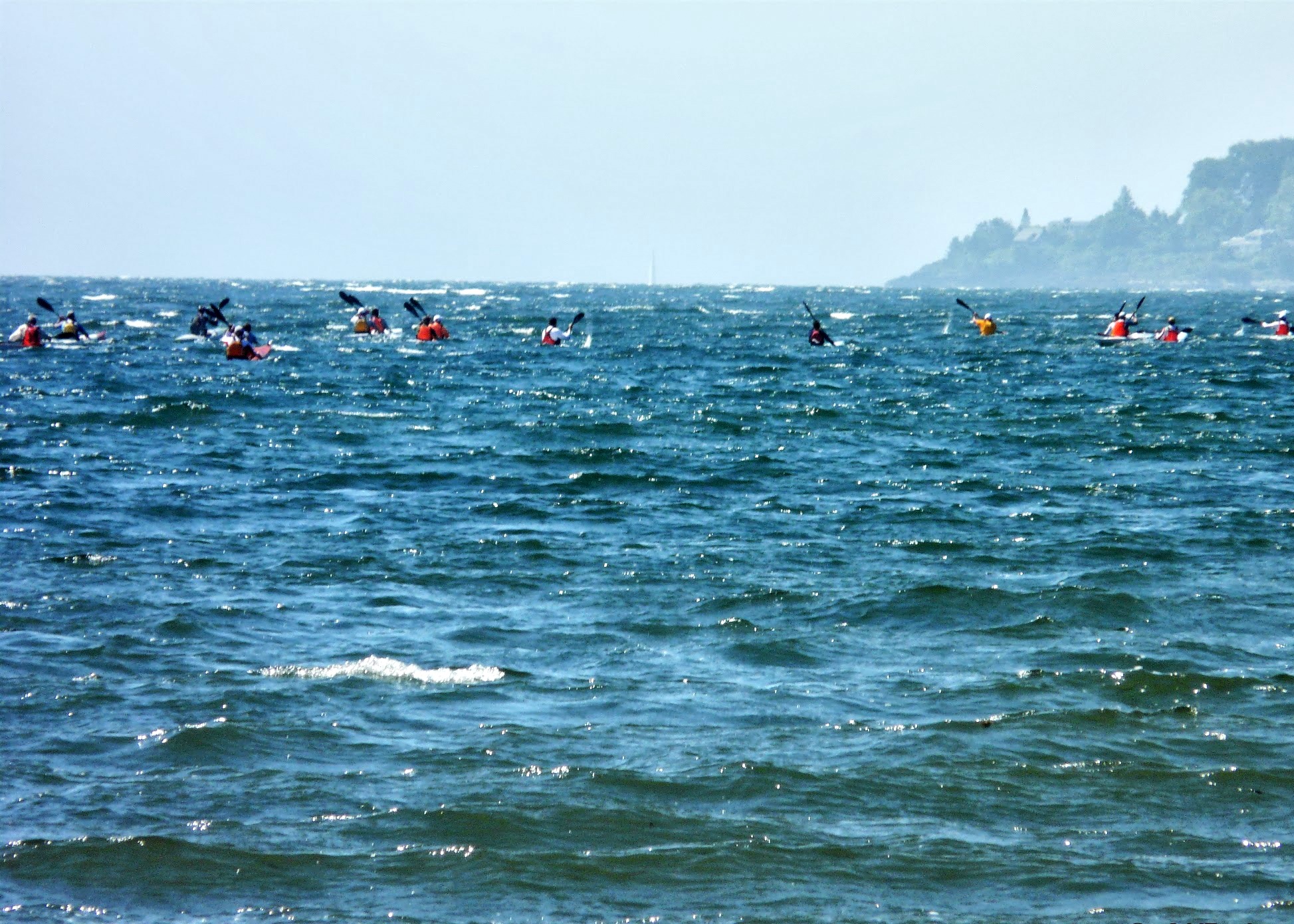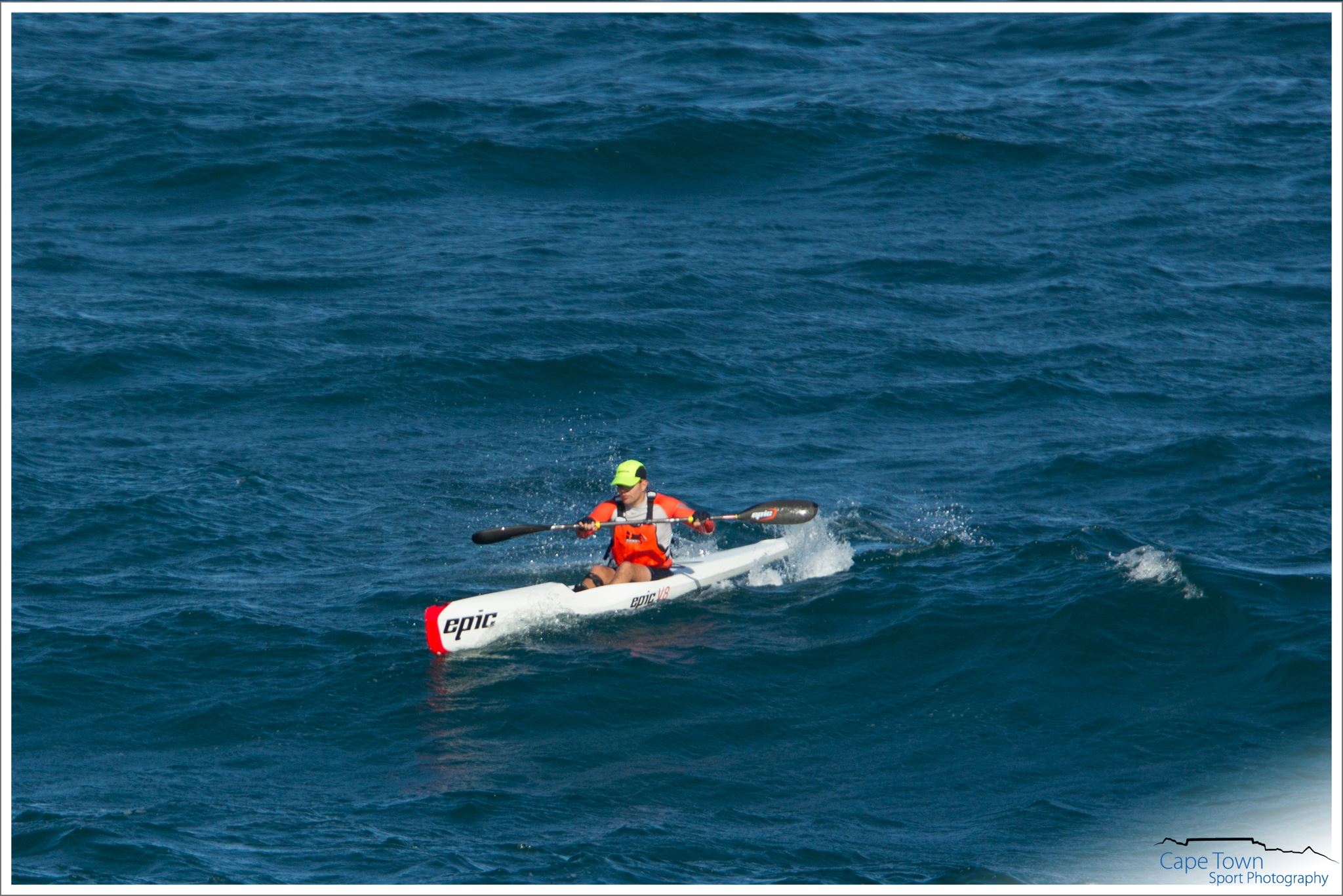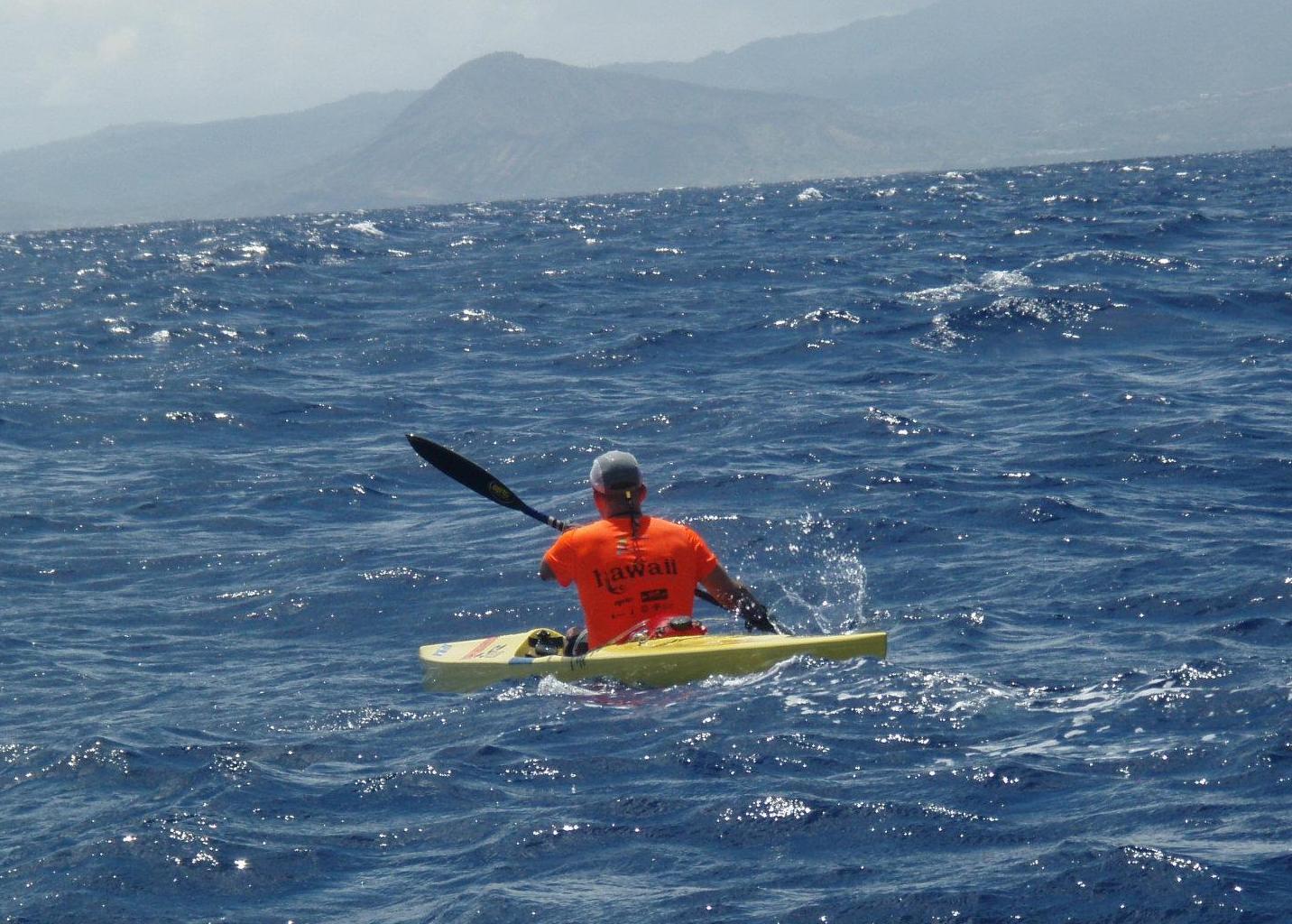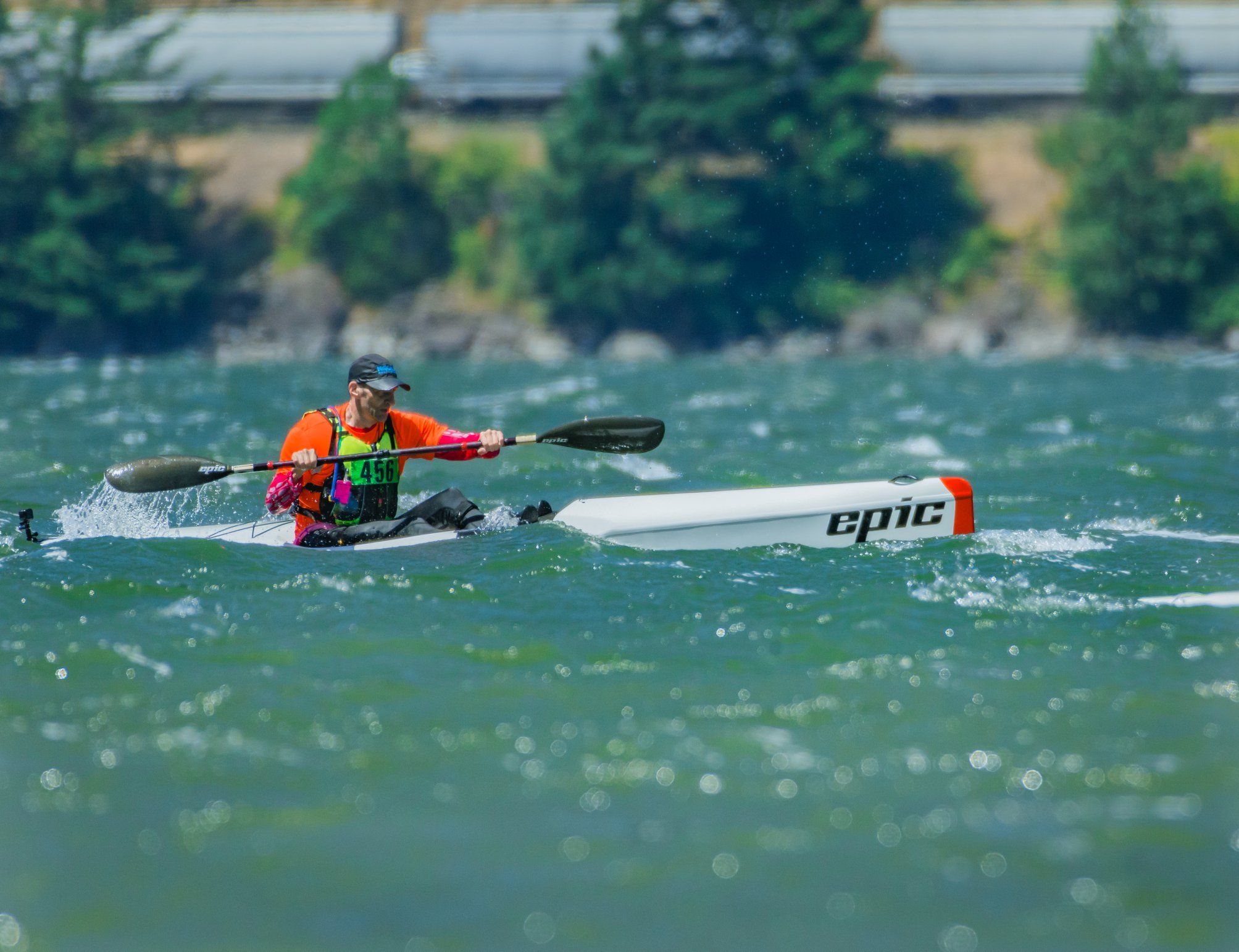
Not every downwind season begins with downwind conditions. In many places, spring offers fragments rather than full runs: partial wind, confused chop, short fetch, or days that never quite organize. It is easy to treat these sessions as placeholders, something to get through until “real” downwinding arrives. In practice, they are where much of the season is decided.
Preparing for downwind paddling without consistent wind is less about simulating speed and more about sharpening perception. Mixed conditions exaggerate feedback. The boat accelerates briefly, stalls, and accelerates again. These transitions reveal how quickly you recognize usable energy and how efficiently you respond. In steady conditions, timing mistakes are masked. In imperfect ones, they are obvious.
Short bursts of wind also force restraint. Without sustained push, over-paddling becomes costly very quickly. Effort that is mistimed or misdirected produces little return, and fatigue arrives early. This encourages a quieter style of paddling, where attention shifts forward and outward rather than into the stroke itself. That attentiveness carries directly into true downwind runs, where patience often determines success more than strength.
Partial days are also ideal for experimenting with positioning and steering without consequence. Small adjustments in trim, rudder input, or line choice produce immediate feedback because conditions are not overpowering. The paddler has time to observe what happens rather than react defensively. These observations build a mental library that becomes invaluable once the wind fills in and decisions must be made quickly.
Perhaps most importantly, preparing without wind reinforces the idea that downwinding is not defined by speed alone. It is defined by how well you recognize opportunity. Learning to notice subtle lift, directional cues, and surface texture trains the same skills used on fast days, just at a lower volume. When full conditions arrive, those skills scale naturally.
Spring rarely offers perfect runs, but it offers something more useful: clarity. The paddler who treats marginal days as information-gathering rather than disappointment enters summer better prepared than someone who waits for ideal conditions. Downwinding rewards those who learn to read what is available, not those who demand what is not.
With this foundation in place, the next step is understanding how time itself changes the run.