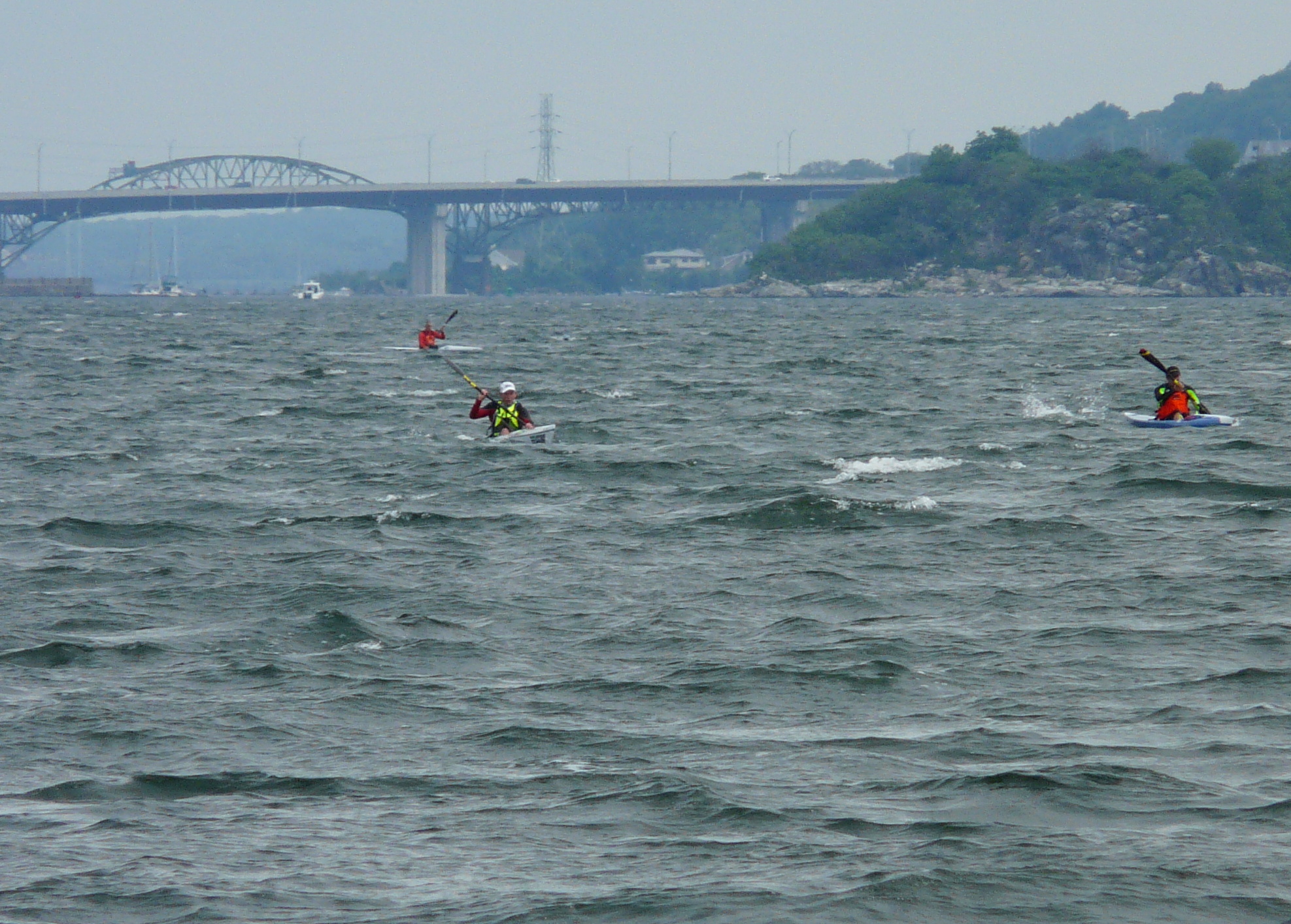
Wind strength gets the headlines. Wind direction decides the race. Many paddlers fixate on how hard the wind is blowing, yet struggle to explain from where it is actually affecting them once they are on the water. This misunderstanding leads to poor lines, wasted effort, and missed opportunities.
A strong headwind is obvious. A subtle crosswind is not. The latter often causes more damage because it distorts effort quietly. Boats yaw. Strokes lose symmetry. Small corrections add up. Paddlers who fail to account for angle end up paddling harder for the same speed, assuming fatigue is the culprit rather than misalignment.
Direction also determines where efficiency lives. Into the wind, protection matters more than pace. With the wind, angle matters more than raw speed. Slightly off-axis lines often yield better connection and less resistance, even if they feel indirect. Racers who insist on the “shortest” line frequently work the hardest for it.
Wind strength changes gradually. Wind direction changes abruptly. A ten-degree shift can turn a manageable grind into a stalled slog, or unlock water that suddenly runs. The paddlers who sense these shifts early adjust posture, cadence, and line before effort spikes. Those who notice late are forced into reactive surges that rarely pay back their cost.
This is why experienced racers talk less about conditions in absolutes and more about feel. The feel of pressure on one shoulder. The feel of the bow releasing or sticking. The feel of effort finally translating into speed. These sensations are directional cues, not just comfort indicators.
Understanding wind direction reframes decision-making. It explains why packs drift laterally, why certain sides of the course open and close, and why some paddlers appear to move effortlessly while others struggle nearby. Strength sets the difficulty. Direction sets the rules.
Wind, of course, is only part of the picture. Beneath it—often unseen—are forces that shape races even more decisively. The next article turns to those hidden mechanics: current, tide, and timing.