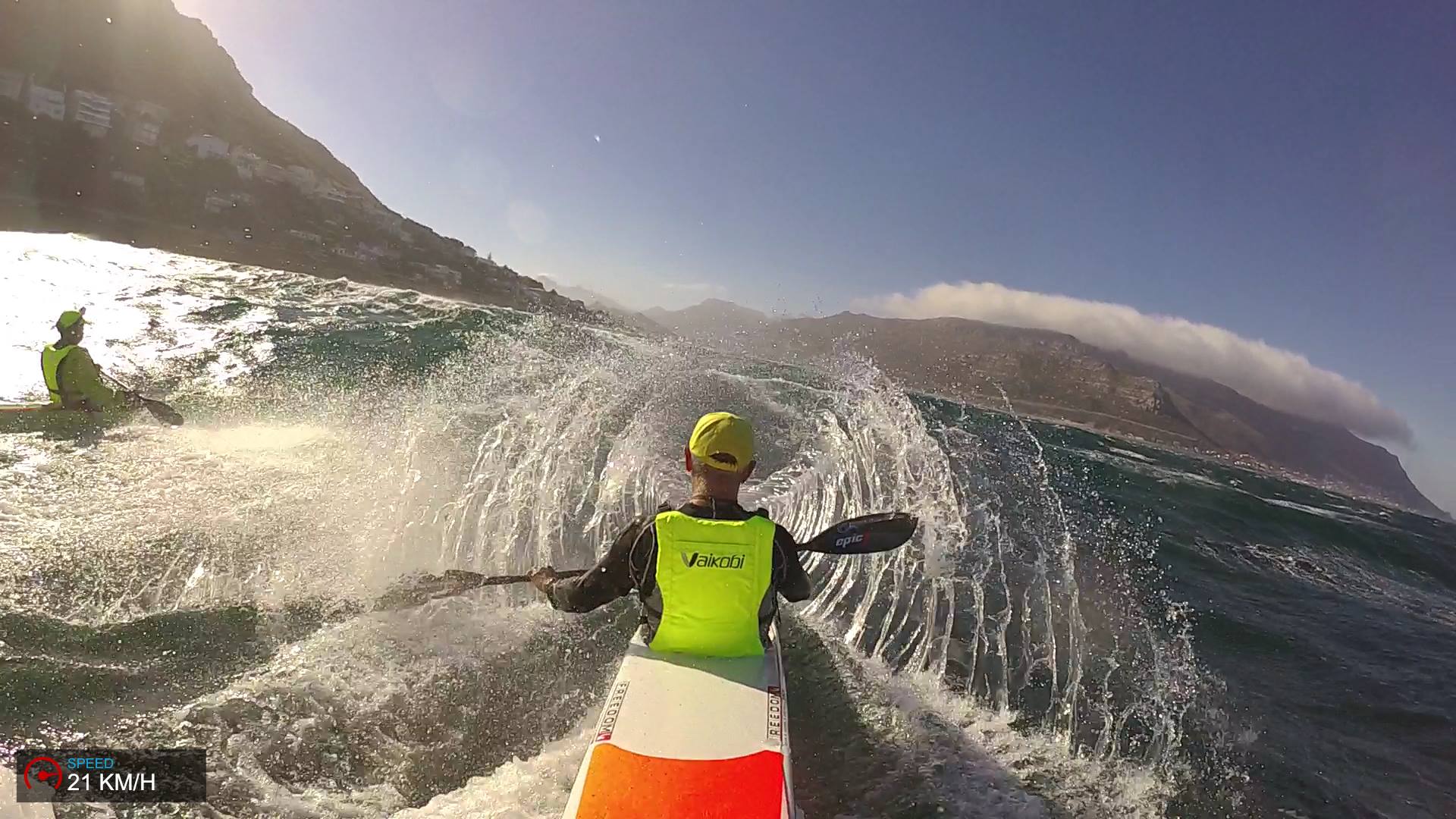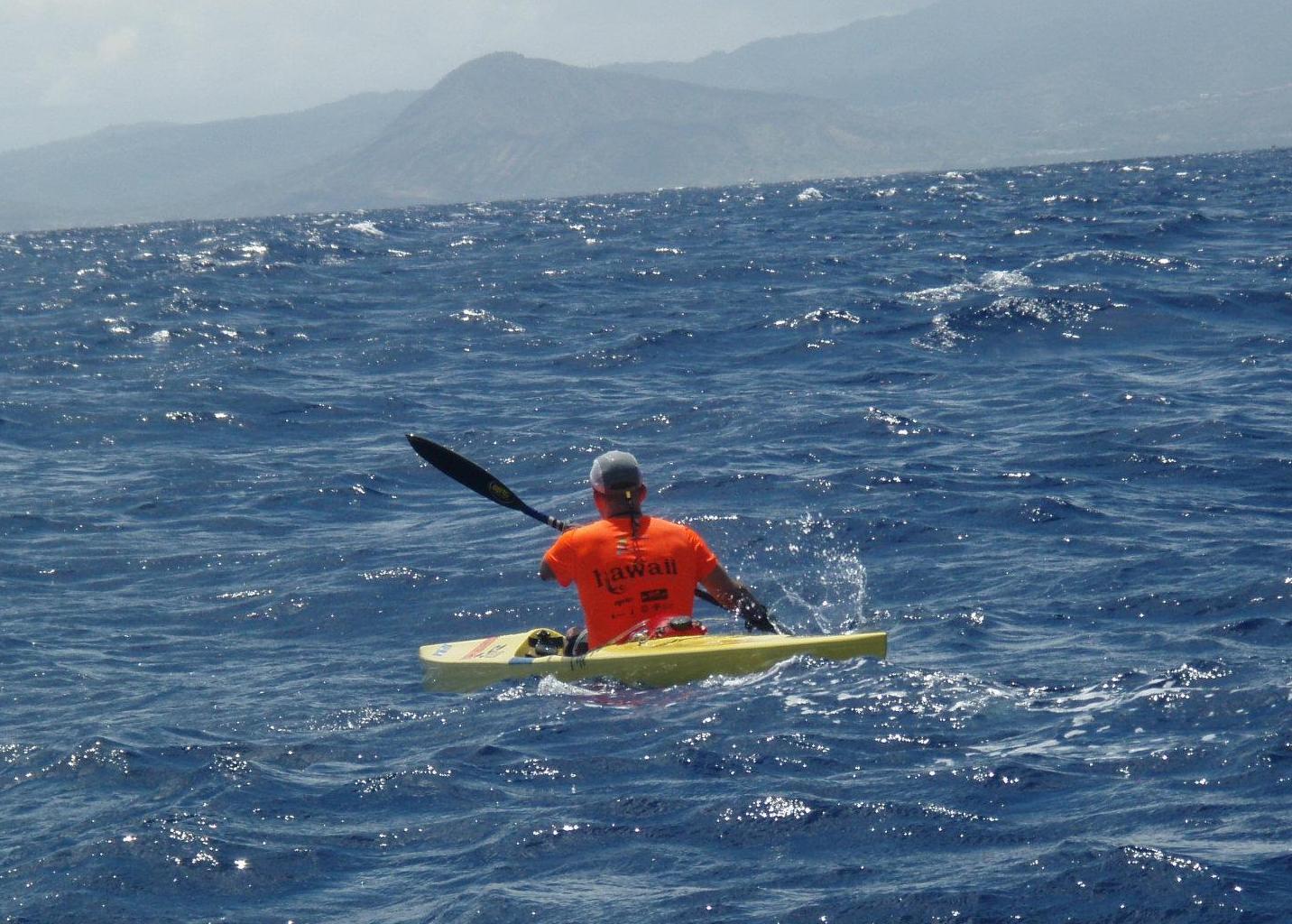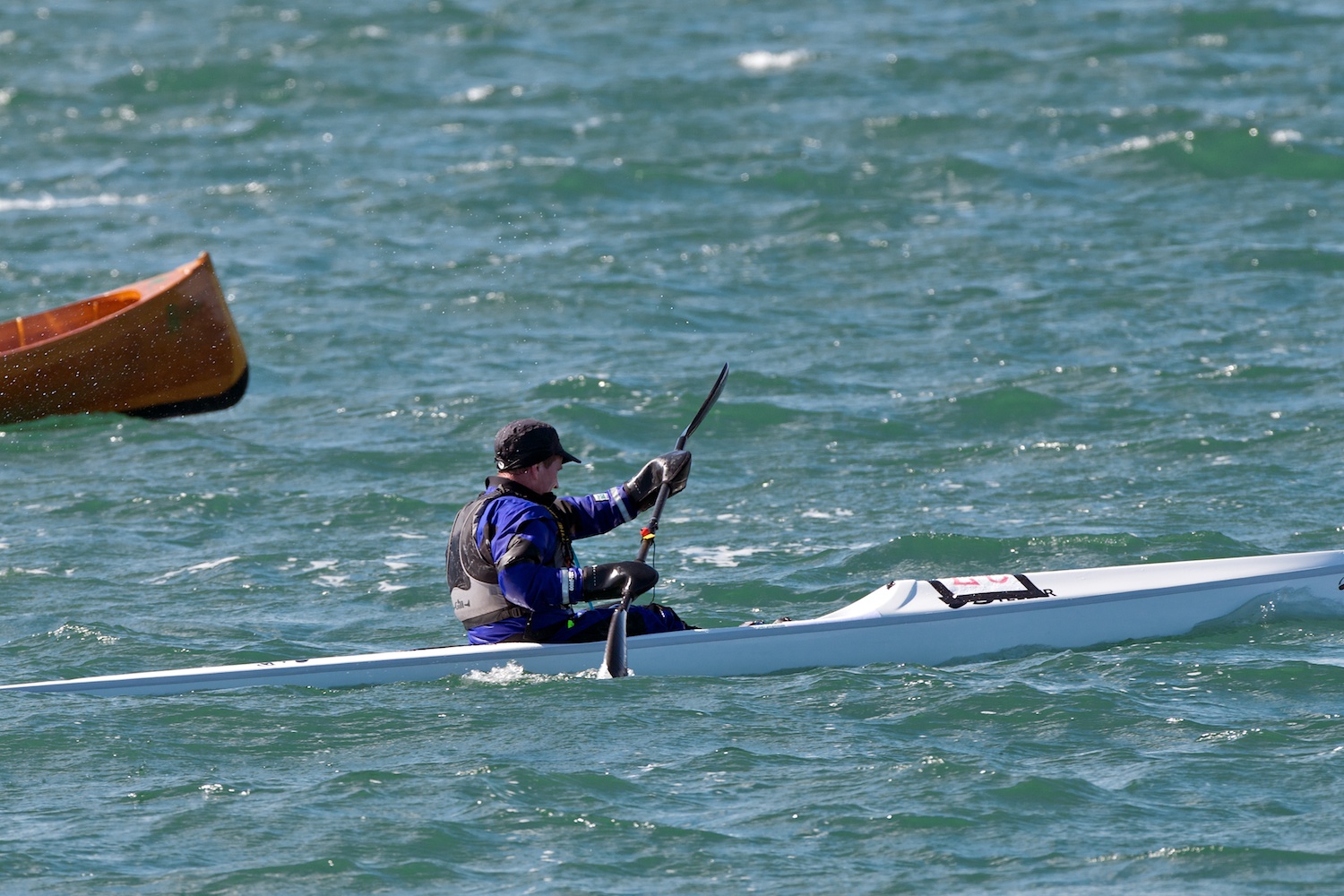
Performance in the ocean is not limited by how hard you can push in a moment, but by how long you can continue working without the cost of that effort quietly accumulating beneath you.
At the start of a race or a long session, things tend to feel settled. The boat moves cleanly, breathing finds a rhythm, and small adjustments like sliding onto a runner, correcting your line, or responding to movement around you occur without much consequence. You can change pace when you need to and return to something sustainable without thinking much about it. The system feels stable.
As time passes, your state begins to shift. The same adjustments start to carry a trace of cost. A short acceleration lingers longer than it should, breathing doesn’t quite settle on its own, and holding position takes slightly more effort than it did earlier. Nothing has failed, but the work is no longer free in the way it was before, and each change leaves something behind.
What’s changing is not your ability to apply force or tolerate load, at least not immediately. It is the way your body is producing the energy required to keep going. The same output is still there, but it is becoming more expensive to maintain, and over time that difference begins to matter.
When stamina is well developed, your metabolic system absorbs these fluctuations without much disruption. You can respond to the water and to other paddlers without needing to manage the aftermath of each effort, and the work holds together even as conditions require constant adjustment. When it is not, each adjustment draws more heavily on limited reserves, recovery between efforts becomes less complete, and a small deficit begins to carry forward.
At first, that deficit is easy to ignore. It becomes noticeable when it starts to affect everything else. Movements lose some of their ease and stabilization requires more attention, while decisions that would normally feel automatic begin to take longer to settle. Composure becomes less stable as fatigue and uncertainty begin to overlap, and the system that felt forgiving at the start becomes something that needs to be managed more deliberately.
This is how metabolic cost connects back to the broader pattern. As the cost of sustaining work rises, it feeds into physical load, then into mental effort, and eventually into emotional stability. Nothing breaks at once, but the system becomes progressively less tolerant of the same demands, and the margin that once existed begins to narrow.
The body has multiple ways of producing energy, each with its own cost. In practice, paddling moves between them continuously, depending on effort and conditions. When the balance is right, most of the work remains in a range that can be sustained, and higher-cost efforts are brief and absorbed quickly. When it isn’t, those higher-cost efforts begin to bleed into everything else, and the overall cost of simply continuing begins to rise.
Training shapes that balance over time. There is a natural tendency to chase intensity in an attempt to improve capacity, but used too frequently it shifts the system toward more expensive energy production and reduces stability. Stamina develops more quietly, through repeated exposure to work that can be supported and recovered from, so that the same output carries less cost and leaves more margin intact.
When it is there, it rarely announces itself. The work continues without drawing attention, adjustments don’t accumulate into fatigue, and breathing settles back into the background even as conditions change. When it is not, the cost of every decision and every correction begins to rise, often well before anything looks obviously wrong.
In the next article, we’ll explore how the human metabolic system produces fuel, and how that fuel is accessed — don’t worry, we won’t get too technical with the jargon!