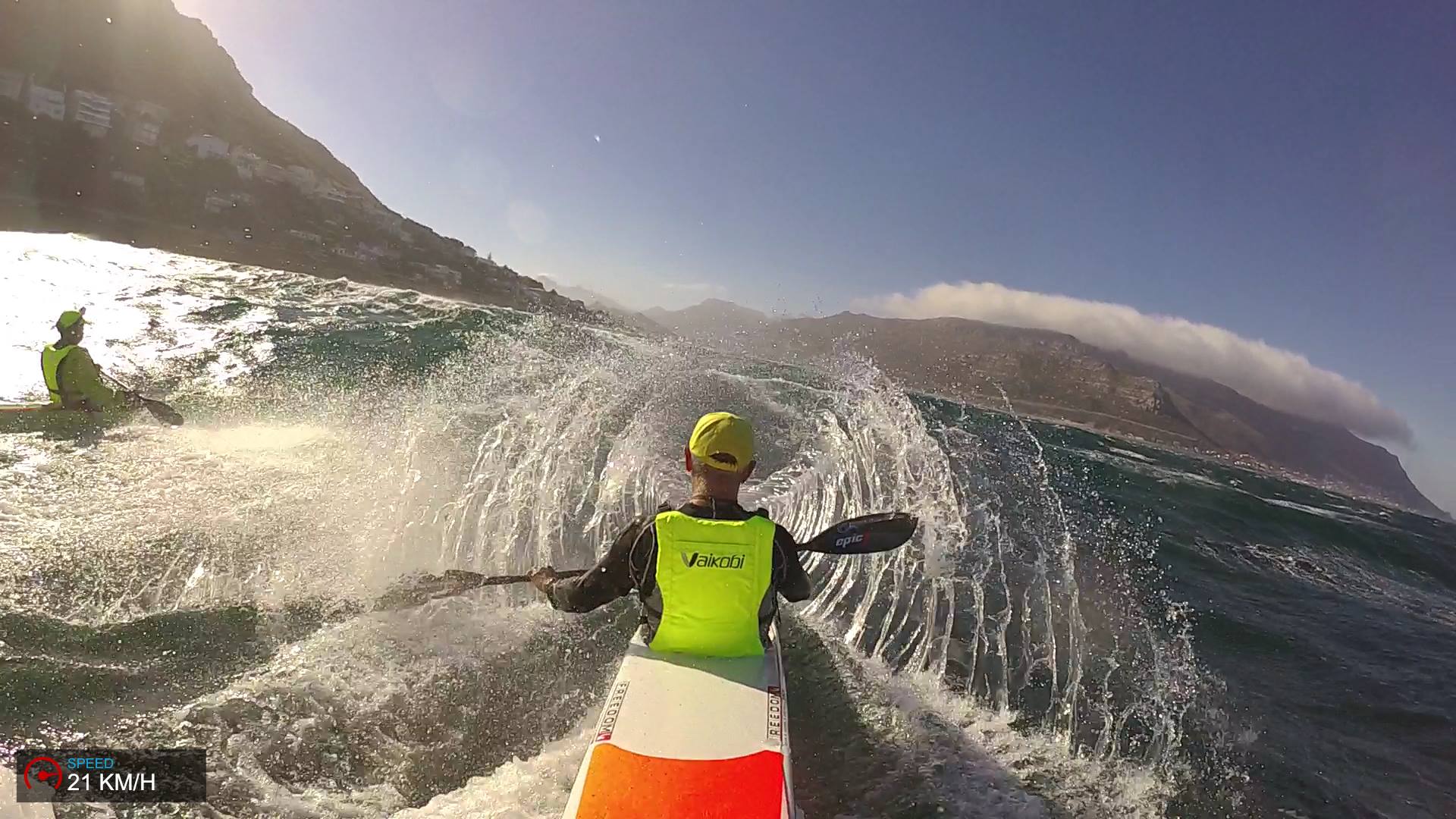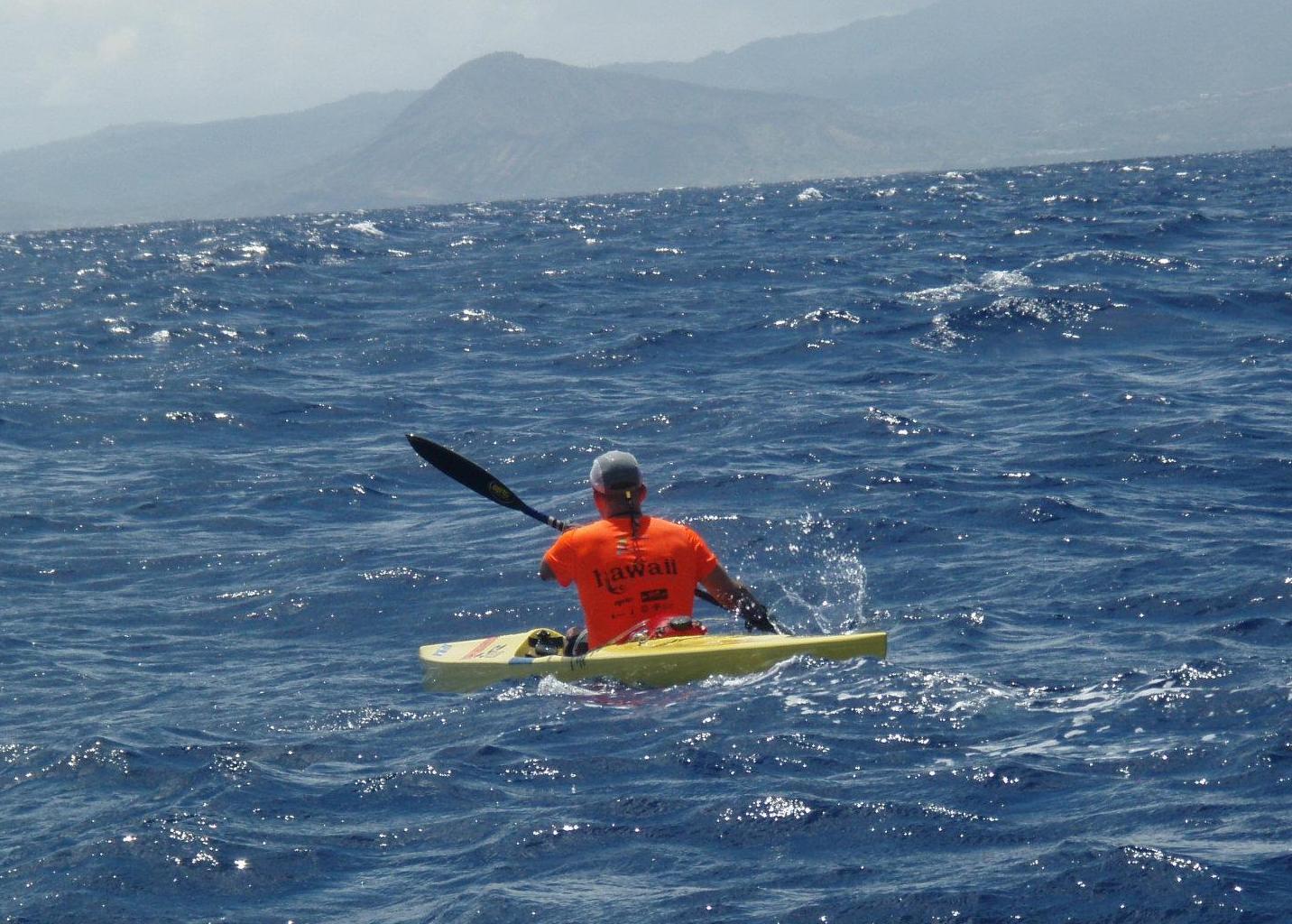
The paddler to your right has been pushing the pace for the last few minutes, and you’ve been tracking them. Watching their rhythm, watching the gap, watching whether they’re going to open it further. Somewhere to your left, a run has been developing for the last few seconds. It would have taken you past them, but you didn’t see it. You were focused on the wrong target.
Attention behaves like a budget. We “pay” attention to things. Operating within this metaphor, attention can be distributed, concentrated, or split across several inputs at once, but the total available attention budget at any moment is finite. Just like your physical system, learning to focus your cognitive system on what matters at any given point in time is achieved through training. In conditions that require little processing, a flat channel with no other paddlers and a clear line ahead, most of your attention budget goes unused. The surplus stays invisible until demand starts to outpace supply. How much surplus exists in the first place comes down to hours logged, environments experienced, patterns matched, outcomes achieved.
Experienced paddlers often appear to notice everything at once. The impression is of wide, effortless awareness. What’s actually happening is faster pattern recognition and better filtering, built the same way any other capacity gets built: through repeated sessions where the same kinds of inputs show up again and again until the brain stops treating them as new. They know which signals are worth tracking and which can be safely set aside, so their attention moves efficiently between what matters and what doesn’t. The picture looks wider because they’re not spending budget on inputs that don’t require it.
A paddler earlier in their development spends far more time and energy on the same inputs. Every motion from a nearby ski, every change in the boat’s behavior, every correction siphons away available attention. The processing load is high, decisions arrive more slowly, and by the time something important appears, there may not be enough attention left to catch it. This is why beginners seem to always be responding to the last thing rather than the next one. Their attention budget ran out before they could begin looking ahead, before they could begin forecasting.
Attention capacity adapts, the same way stamina or strength adapts, in response to repeated demand. Holding pace near another paddler, tracking conditions while fatigued, working in traffic instead of open water: sessions that push attention past its comfortable range are the “training” that shifts where the tunnel vision starts. The attention budget grows larger and the narrowing arrives later, further into the effort than it used to. That kind of exposure widens the gap between what’s happening and what can actually be tracked, and that gap is where good decisions get made.