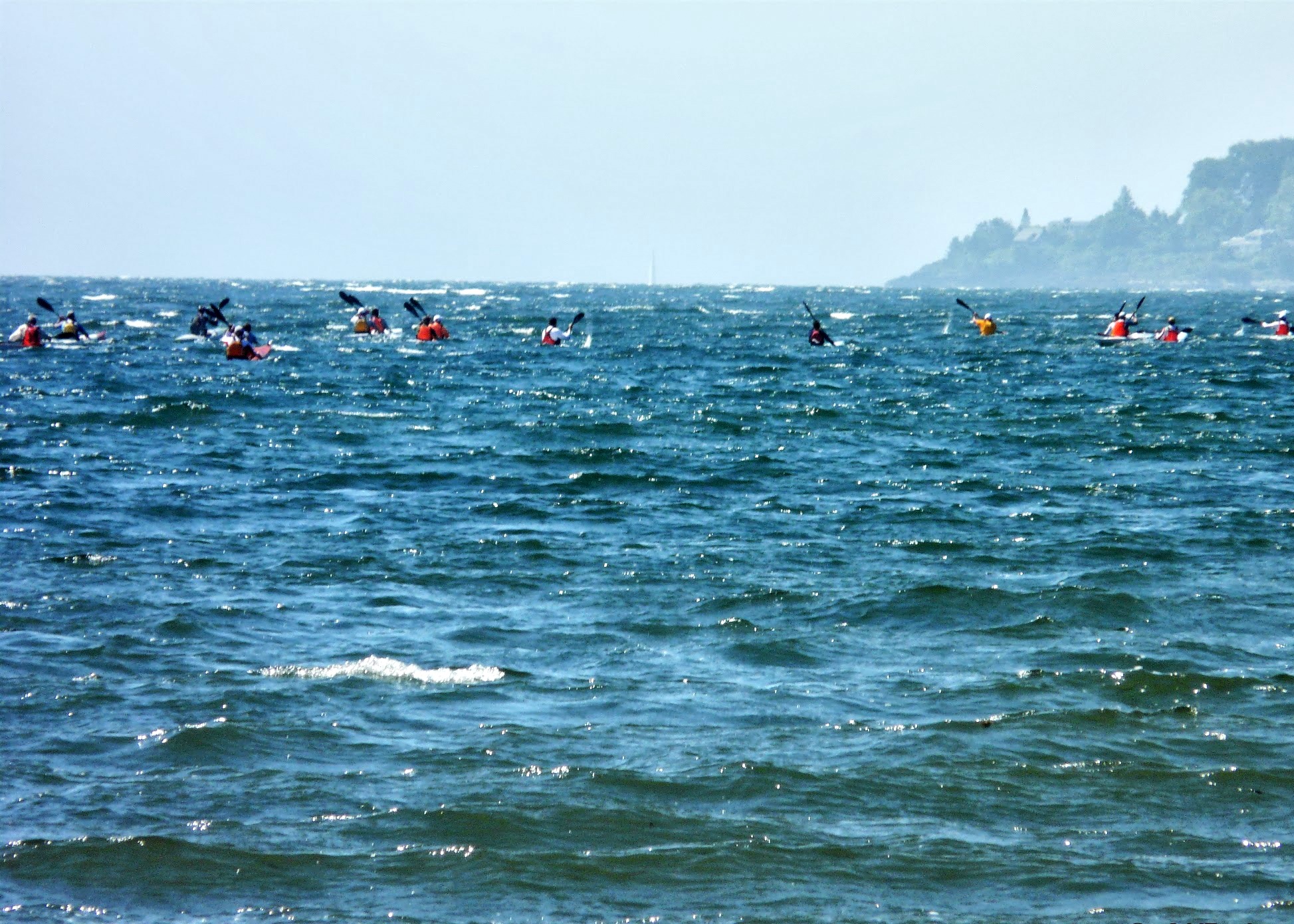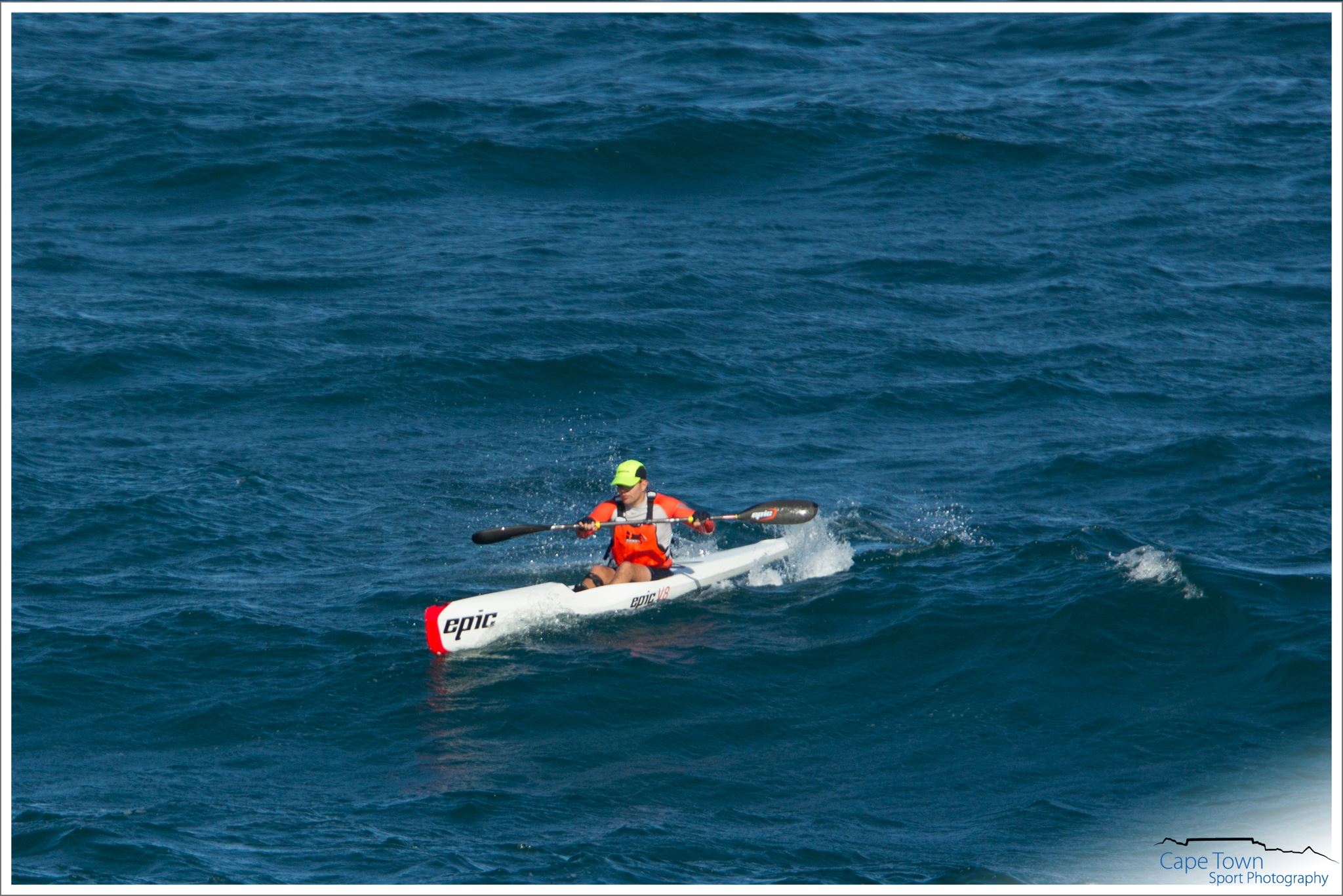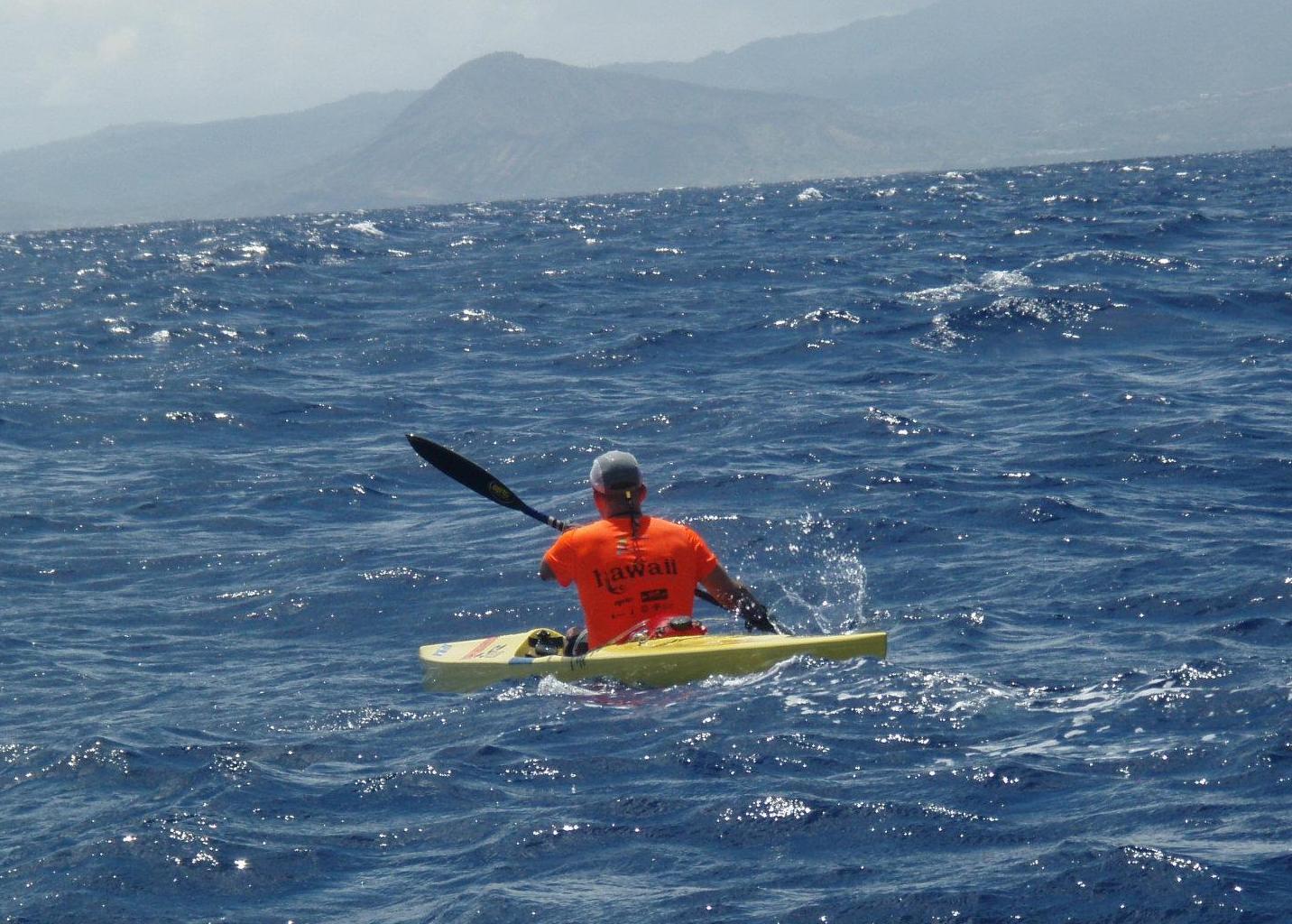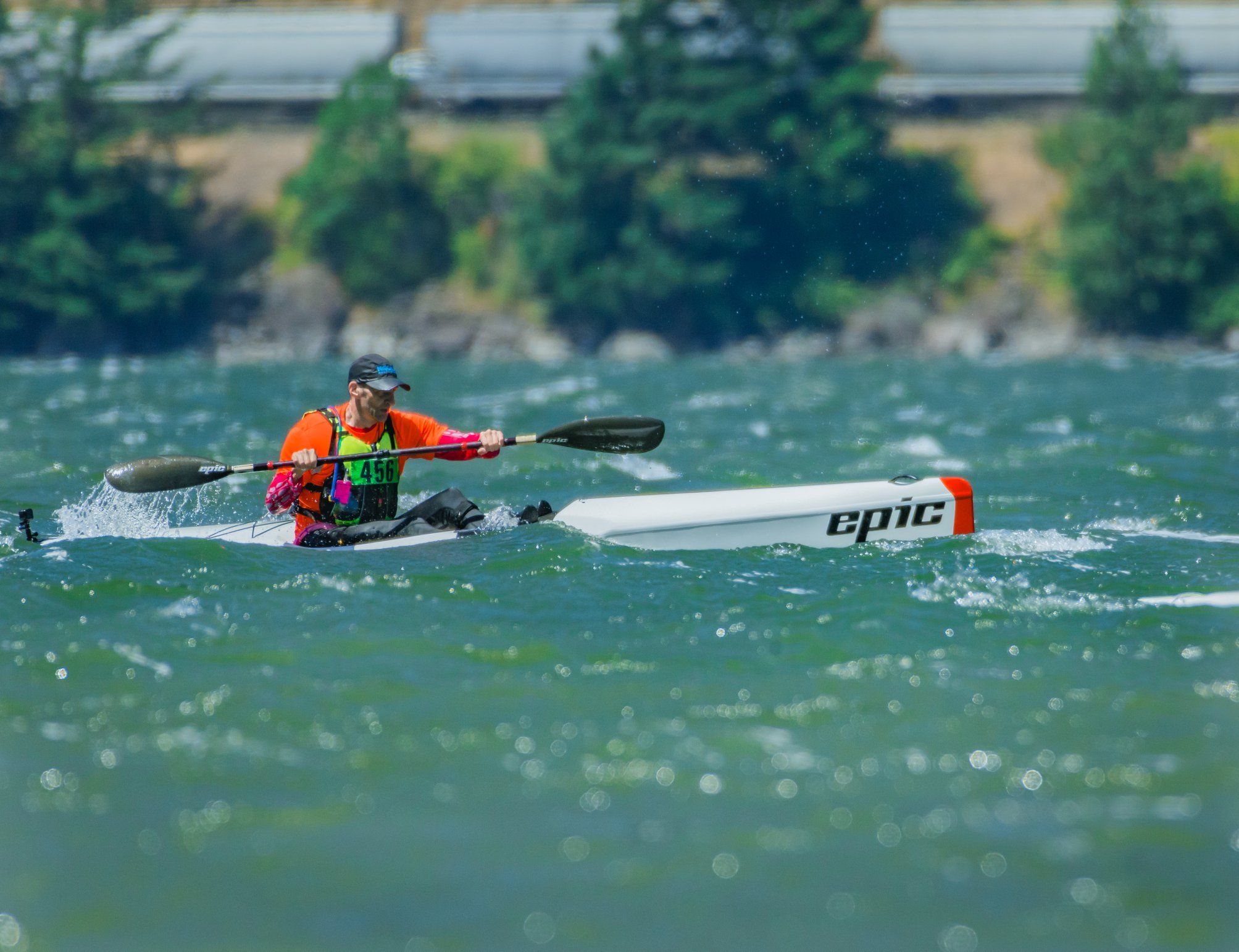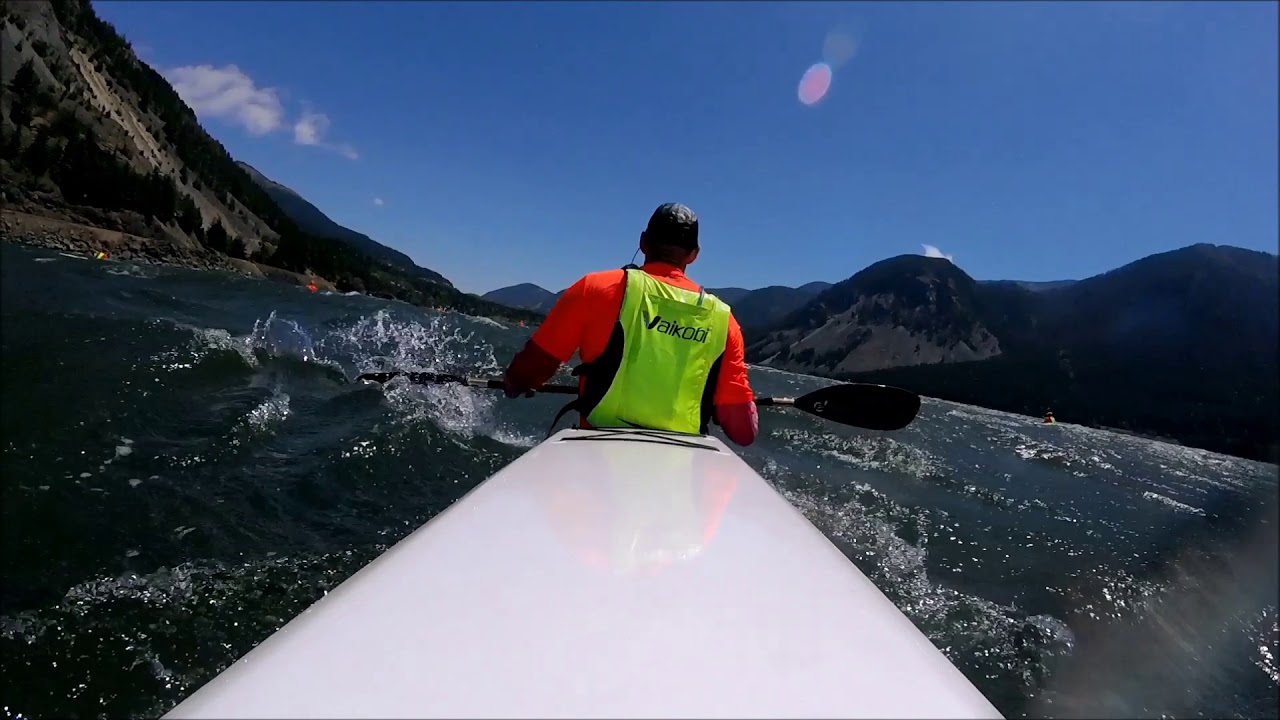
Downwind paddling is often described in terms of sensation: speed, lift, control, and moments when the boat seems to move on its own. What’s discussed less often is why those moments happen, or how to recognize the conditions that make them possible. This Downwinding series is about exploring that underlying structure — the interaction between wind, water, hull, and judgment that turns effort into motion.
Downwind paddling should be viewed as a system. The goal is not to prescribe techniques or equipment, but to build a mental model that helps paddlers make better real-time decisions on the water water. Understanding how the ocean’s energy works leads naturally to selecting better lines, calmer execution, and safer outcomes, whether you paddle casually or race regularly.
The series will unfold over the course of the year. We’ll initially focus on theory and observation: how energy enters the system and how coastlines, depth, and weather shape what happens on the water. Then we’ll shift toward preparation and readiness, translating understanding into setup and early-season judgment. We’ll hopefully hit the discussion on execution in real conditions mid-year, then complete the calendar by focusing on adaptation, imperfect days, and the kind of experience that only accumulates over time.
While this series occasionally touches on equipment, training, and racing, those topics are explored further in their own dedicated sections on the site. Here we’ll stay centered on the working the water itself — how to read it, move with it, and learn from it.