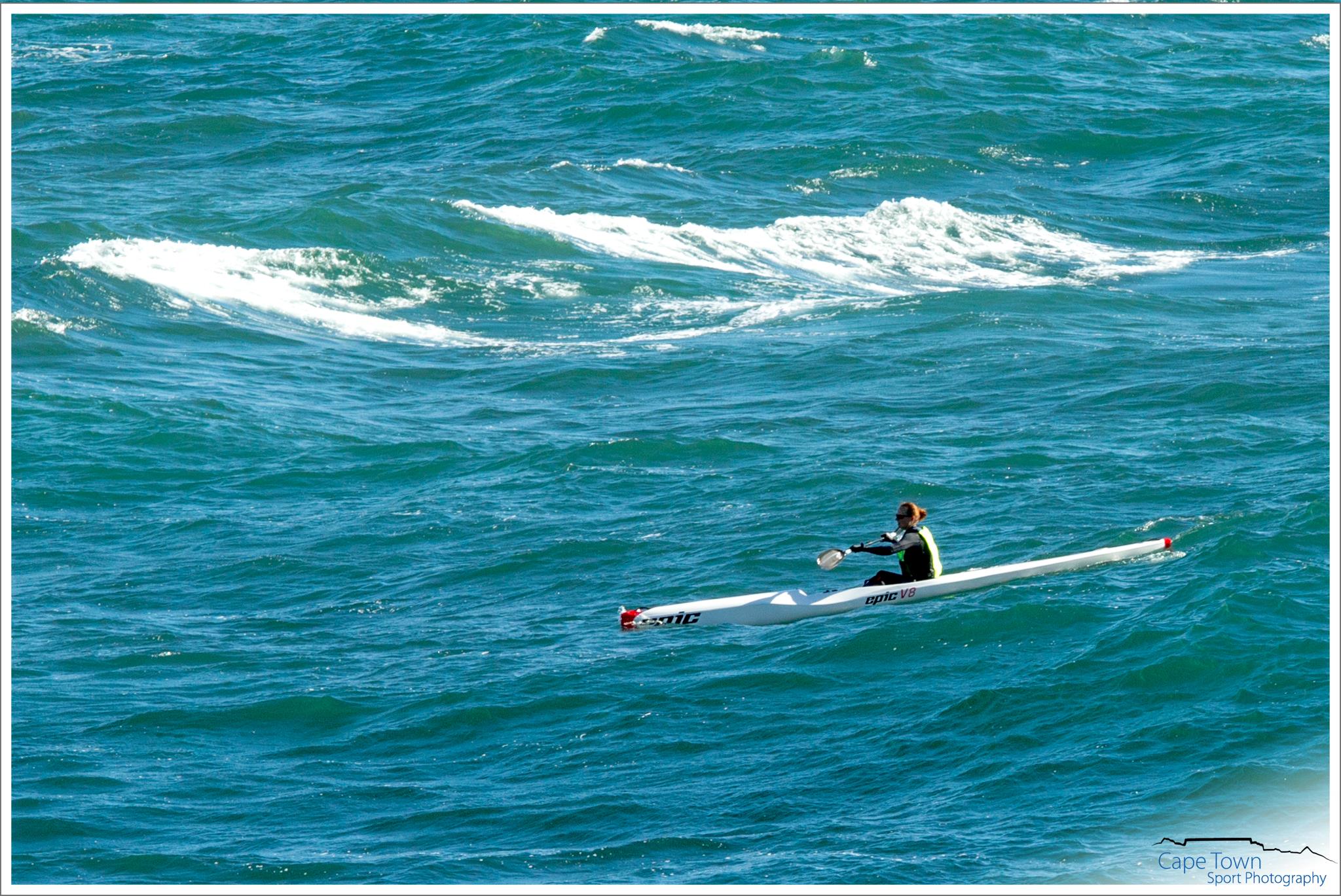
One of the more puzzling things to watch in downwind paddling is how calm the best paddlers look. In conditions that feel demanding or chaotic, they rarely appear rushed. Their strokes are timely rather than frantic, their line changes small rather than dramatic. They seem to arrive in the right place without much visible correction. From the outside, it can look like confidence or composure, but those are only surface explanations.
The difference shows up most clearly in where attention is directed. Many paddlers focus on what is happening directly under the boat or immediately in front of it. That makes sense, especially when conditions are loud and physical. More experienced paddlers tend to look slightly ahead in time rather than space. They are paying attention to how the surface is changing, where pressure is building, and which patterns are repeating. Their decisions are often made before anything obvious happens.
This habit develops slowly. After enough exposure, paddlers begin to associate small signals with likely outcomes. A certain texture on the water precedes a lift. A crossing ripple hints at a runner that will form a moment later. These associations allow decisions to be made earlier, when options are still open. The paddler is no longer reacting to events but positioning for what is likely to occur next.
Seen this way, downwind paddling becomes less about bravery or instinct and more about anticipation. The ocean does not need to be predicted far into the future. A second or two is enough. That small head start reduces urgency, smooths movement, and makes timing feel natural rather than forced. It also explains why experienced paddlers appear unflustered. They are not scrambling to fix problems that have already arrived.
Taken together, the ideas in this series point to a common theme. Downwind speed is not built from isolated moments, dramatic waves, or heroic effort. It comes from understanding how energy moves, choosing lines that preserve momentum, applying power when it matters, and learning to see slightly ahead of the boat. None of this replaces fitness or technique, but it gives them somewhere useful to go. The ocean does not reward force so much as attention, and the more carefully you watch it, the more it seems willing to help.