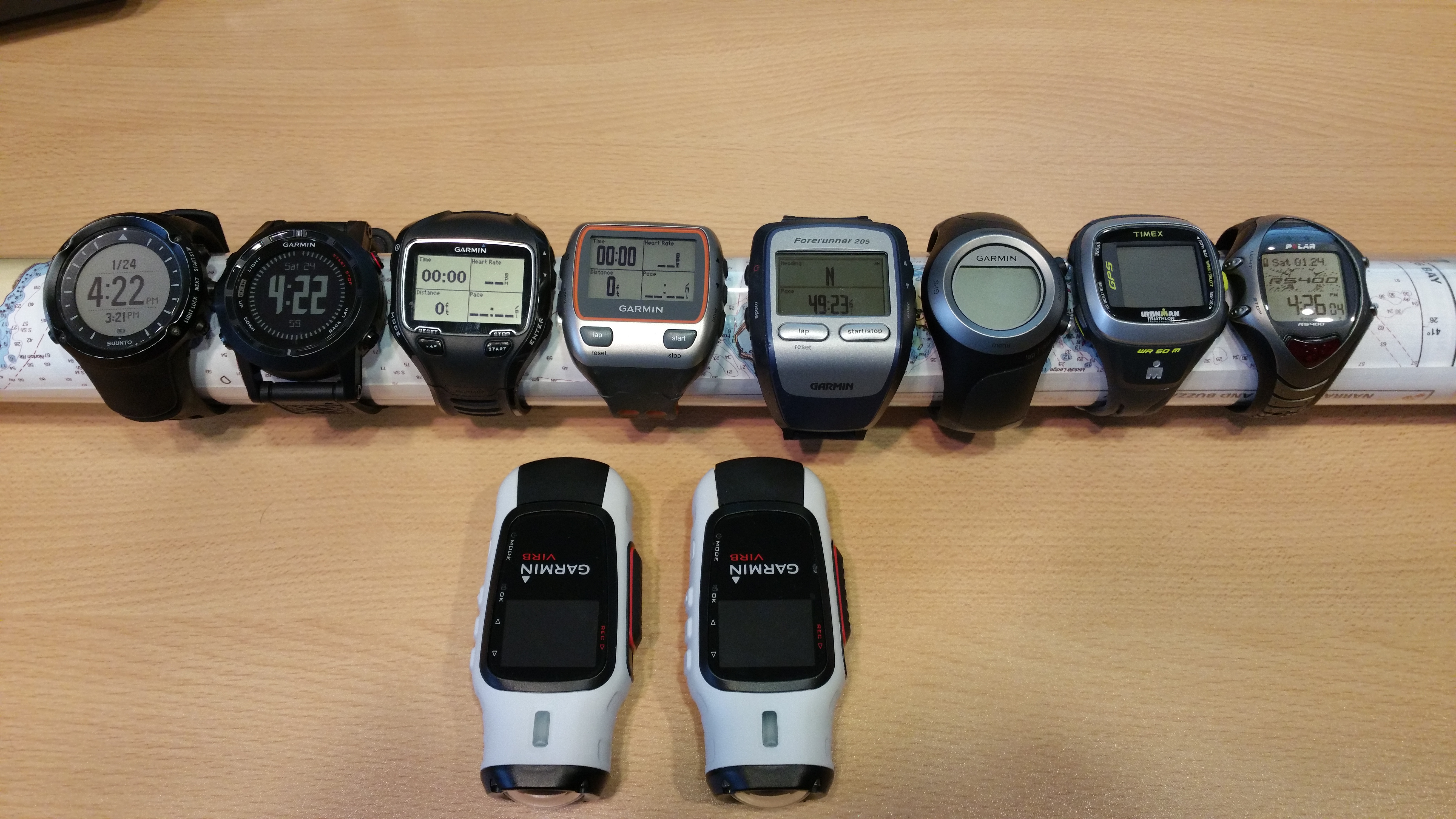
Many paddlers come off a downwind run and look first at their GPS. Average speed, top speed, maybe a few screenshots of peaks along the way. The habit is understandable. Numbers feel objective, and improvement is easier to believe when it can be measured. The trouble is that downwind paddling is one of the few endurance activities where the most important things rarely show up clearly in the data.
Part of the problem is how speed is recorded. GPS devices capture position at fixed intervals and report velocity after the fact. In dynamic conditions, this smooths over exactly the moments that matter most. A short acceleration that prevents a slowdown may barely register, while a dramatic drop down a steep face produces an impressive spike that fades just as quickly. The data rewards visible events, not effective ones.
This mismatch leads paddlers to draw the wrong conclusions. A run with several high peaks can look fast even if it was filled with stalls and resets. Another run may show modest numbers but feel smooth from start to finish. The paddler who focused on maintaining momentum rather than chasing drops often ends up with less dramatic data and a better overall result. What matters is not how fast the boat ever went, but how little speed it gave back to the water.
Seen this way, average speed also becomes a blunt instrument. It hides whether speed came from a few big moments or from sustained flow. Two runs with the same average can feel completely different on the water, and one may leave the paddler far less fatigued. Downwind success is often about reducing the depth and frequency of slow moments, something GPS is poorly equipped to highlight.
Instead of asking what your top speed was, it can be more useful to reflect on how the run felt. Were there long stretches where the boat stayed light and connected, or did you repeatedly have to restart it? Did your line choices and timing reduce the need for recovery strokes? In the next article, we will look at why some paddlers seem to answer these questions instinctively, and how experience and pattern recognition often outweigh raw fitness in the ocean.