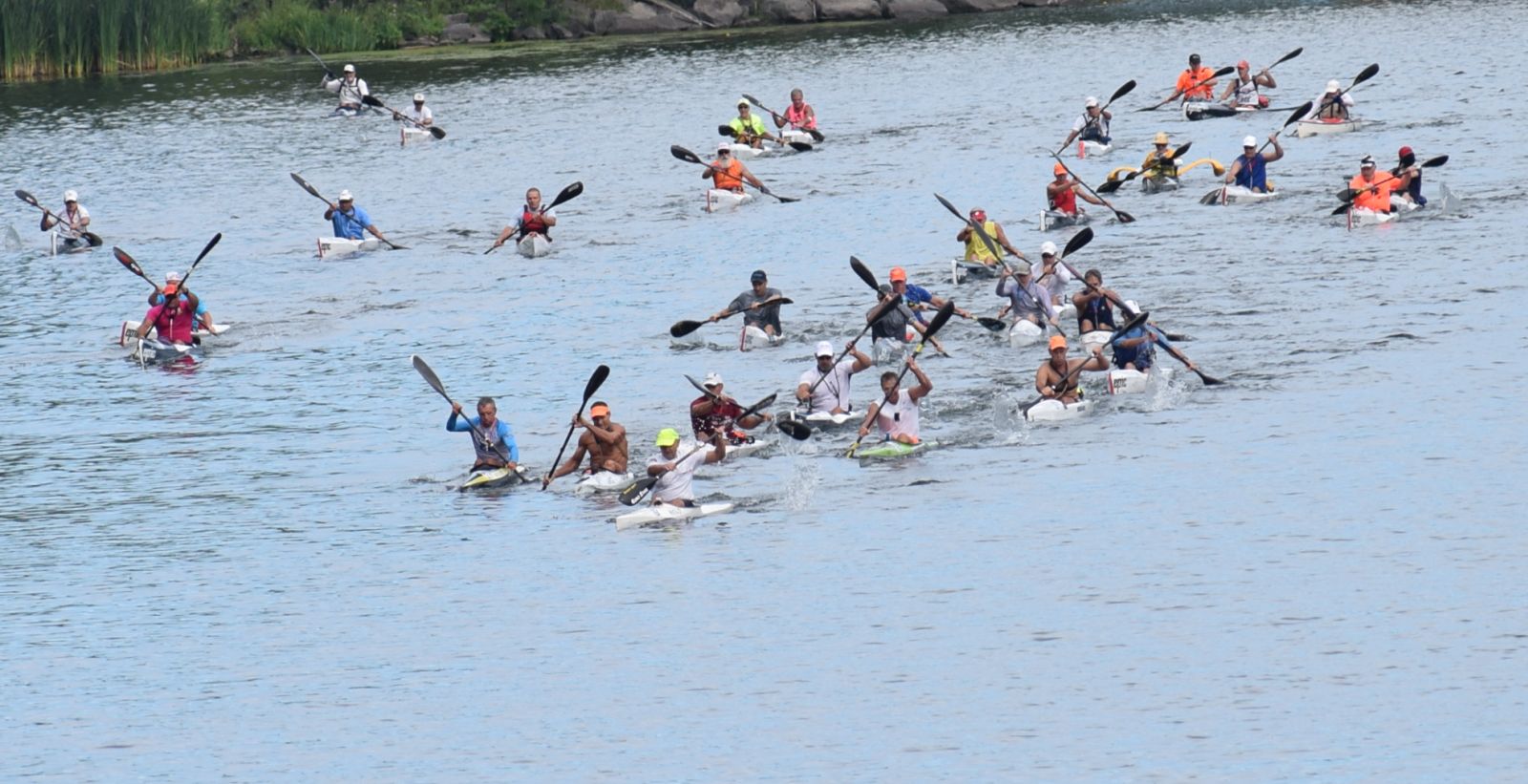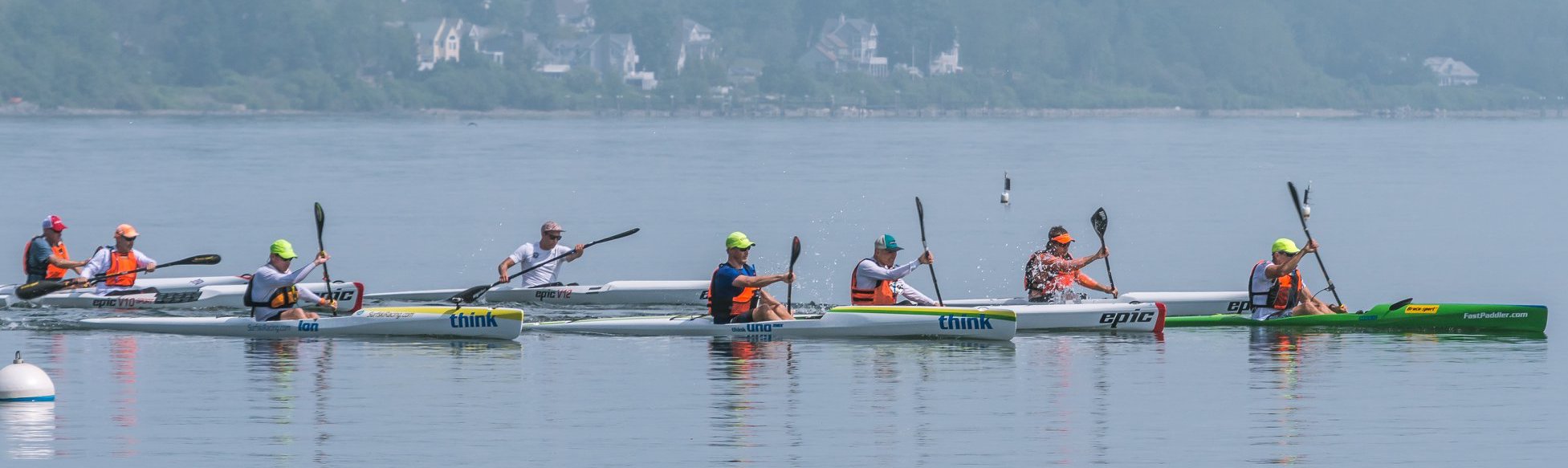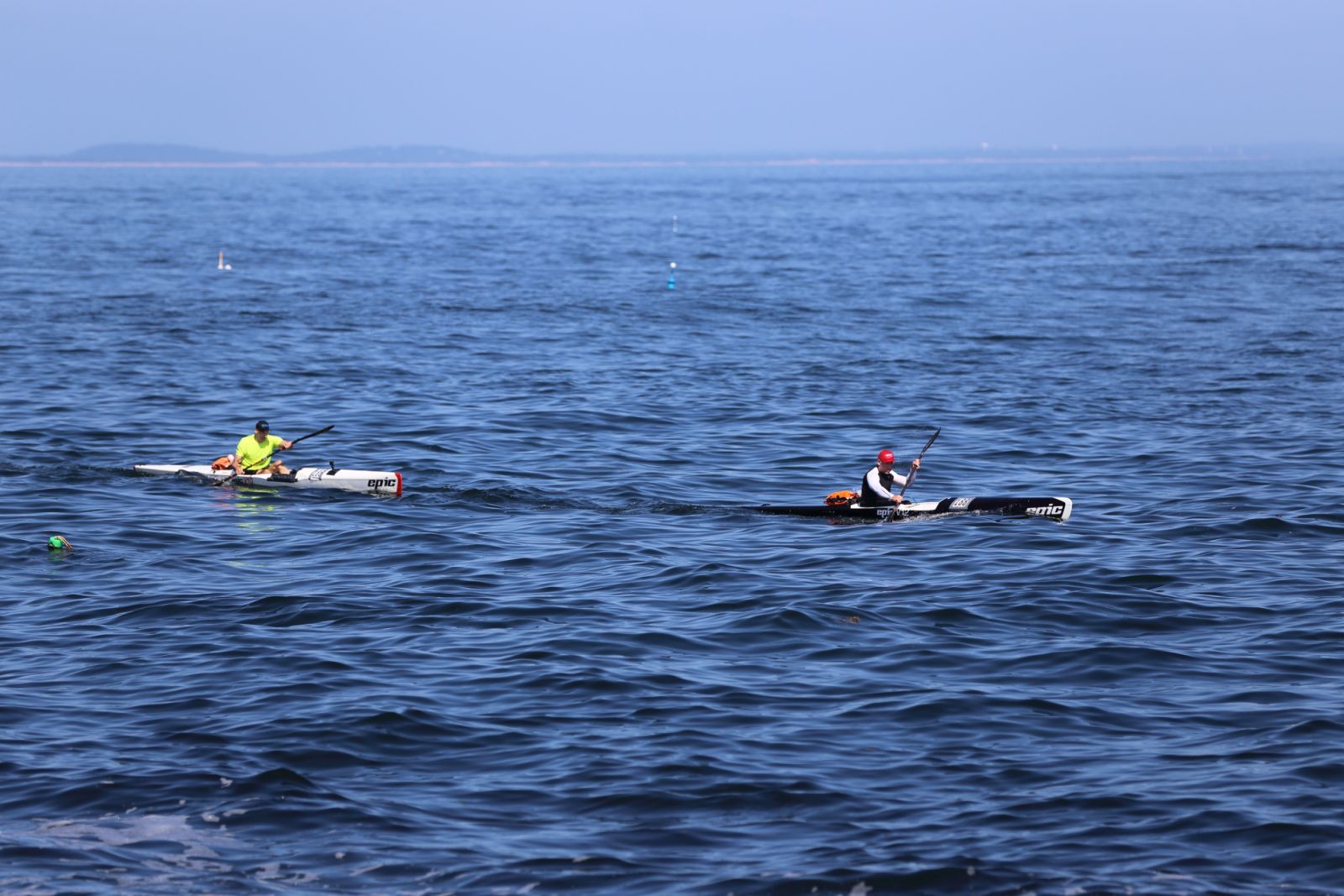
Every race presents moments where the safe choice and the fast choice diverge. Tactical risk lives in that gap. It is the decision to leave a pack, change lines, or commit early—knowing that the move may either define your race or unravel it completely.
Risk in ocean racing is rarely dramatic. It doesn’t announce itself as a bold gamble. More often it appears as a quiet option: a cleaner line off to one side, a run that others hesitate to chase, a moment when the pack’s rhythm no longer matches the conditions ahead. The challenge is not seeing these options, but judging whether they are worth the cost.
Many paddlers mistake aggression for courage. They attack because attacking feels like racing. In reality, most successful risks are calculated and oddly restrained. They are taken when conditions support them, when effort is recoverable, and when the potential reward meaningfully alters the race. Taking risk without those elements is not bold—it is inefficient.
There is also personal context. The same move that works for one paddler may be disastrous for another. Fitness, remount reliability, comfort in rough water, and tolerance for isolation all shape what constitutes a reasonable risk. Experienced racers are honest about their own profiles. They do not borrow tactics that don’t suit them.
Perhaps the hardest lesson is that not all races are meant to be won through risk. Sometimes the smartest decision is to stay put, conserve, and wait for others to make mistakes. Tactical discipline—choosing not to act—can be as decisive as a perfectly timed breakaway.
Risk, when taken well, simplifies the race. When taken poorly, it complicates everything that follows. The next article turns to the places where complexity spikes instantly and mistakes are amplified: turns, marks, and transitions—often brief, often overlooked, and frequently decisive.