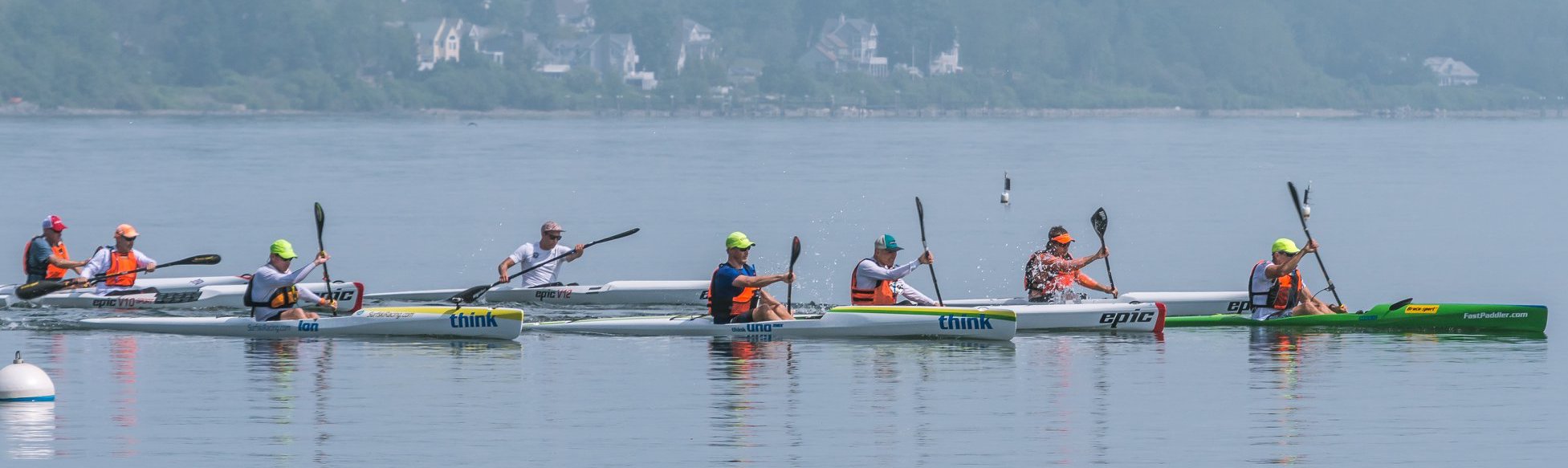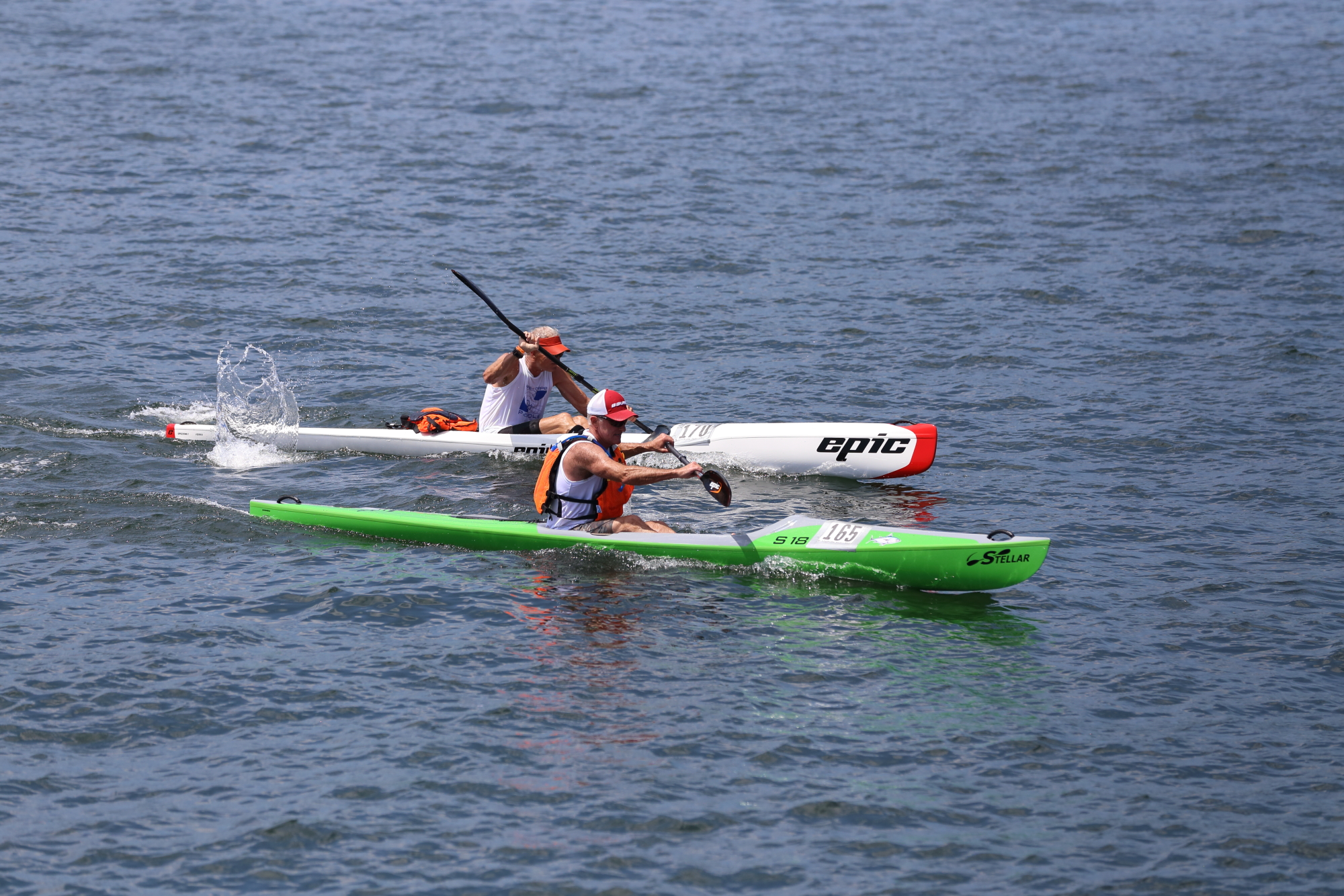
Pacing in ocean racing is often reduced to a number: heart rate, power, speed. These metrics are useful in training, but they tell only part of the story once the race begins. On race day, pacing is less about maintaining a steady output and more about deciding when to spend energy—and when not to.
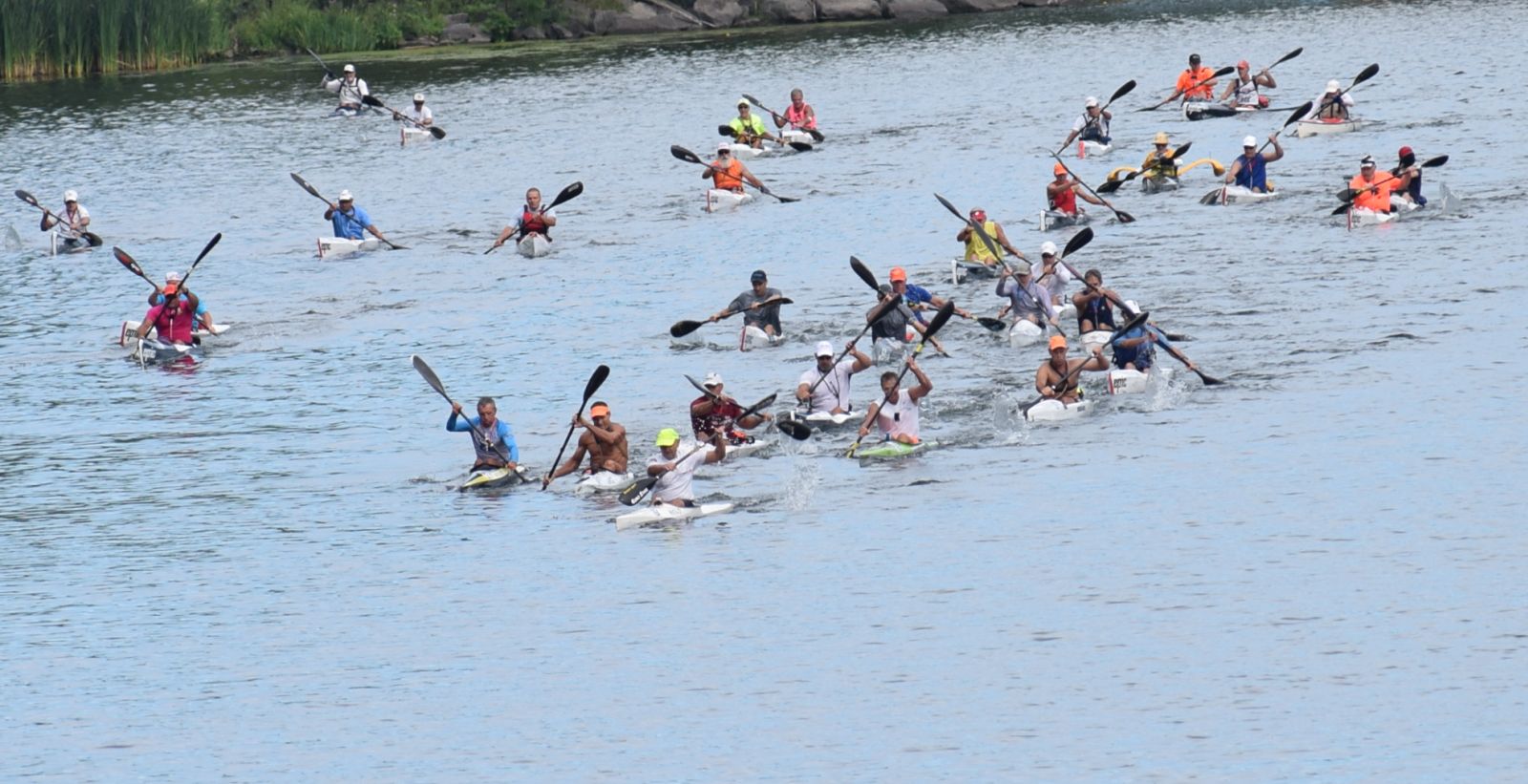
Unlike flatwater racing, effort in the ocean is rarely even. Conditions demand variation. Headwinds require patience. Runs invite commitment. Packs pull effort up and down regardless of intent. Paddlers who insist on holding a constant pace often end up fighting the water instead of working with it, expending energy for little gain.
The most costly pacing error is spending energy without consequence. Surging to close a gap that will reopen. Accelerating into poor water. Responding emotionally to someone else’s move. These efforts feel justified in the moment, yet they rarely improve position or outcome. They simply reduce what is available later, when the race finally demands it.
Good pacing is situational. It recognizes that not all minutes are equal. Some sections reward restraint. Others demand decisive effort. The ability to toggle between patience and pressure—sometimes repeatedly within a few minutes—is what separates experienced racers from those who fade despite strong fitness.
This is also where self-knowledge matters. Every paddler has a limit where effort stops being recoverable. Crossing it too early changes the race from one of choices to one of survival. Skilled racers sense this threshold and treat it with respect. They finish races tired, but not surprised by that fatigue.
Pacing, in the end, is inseparable from judgment. It is shaped by conditions, packs, and risk tolerance, not just physiology. The next article looks directly at that risk: when bold decisions pay off, when they don’t, and how to recognize the difference before it’s too late.