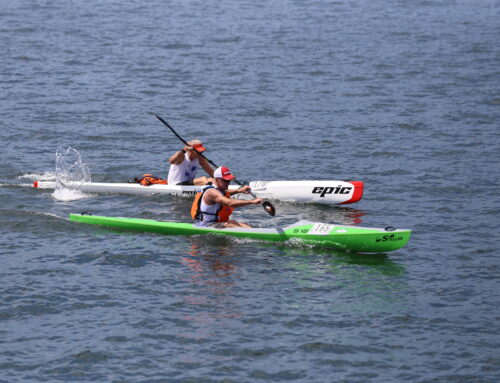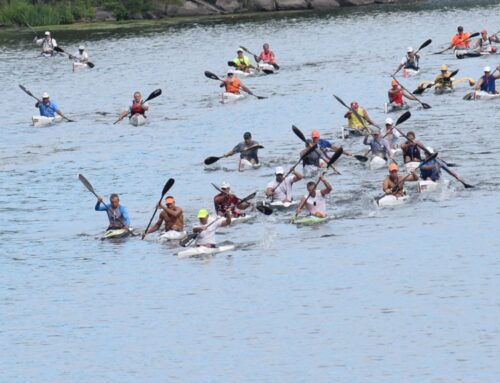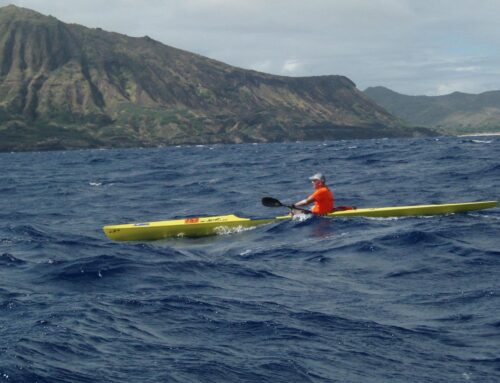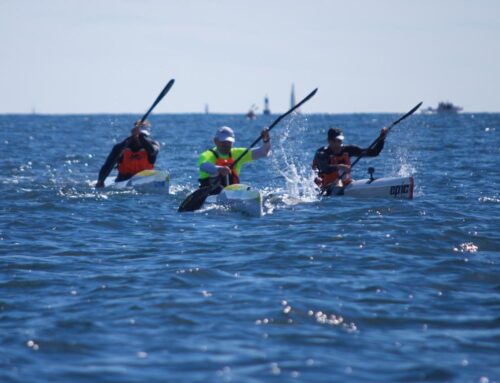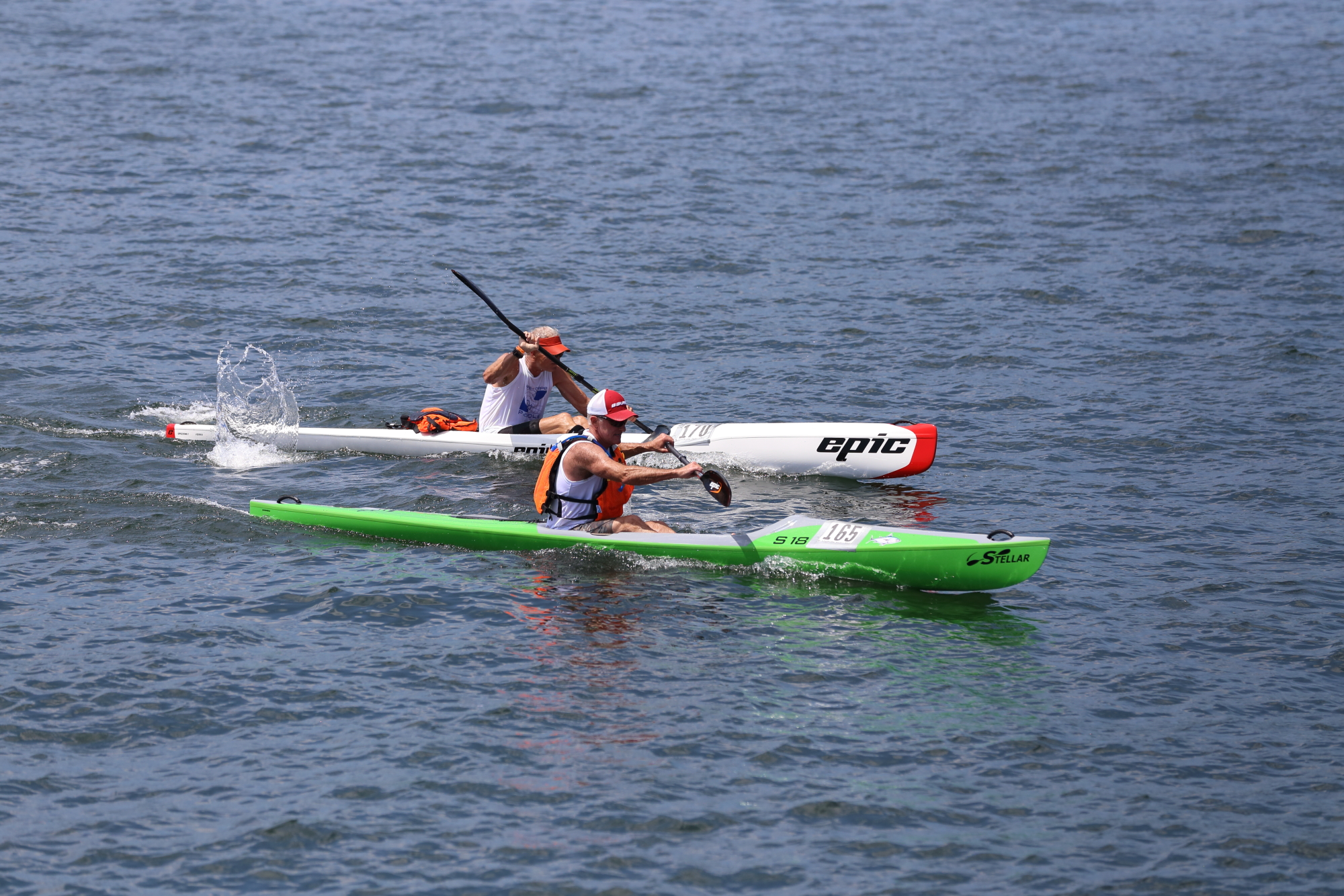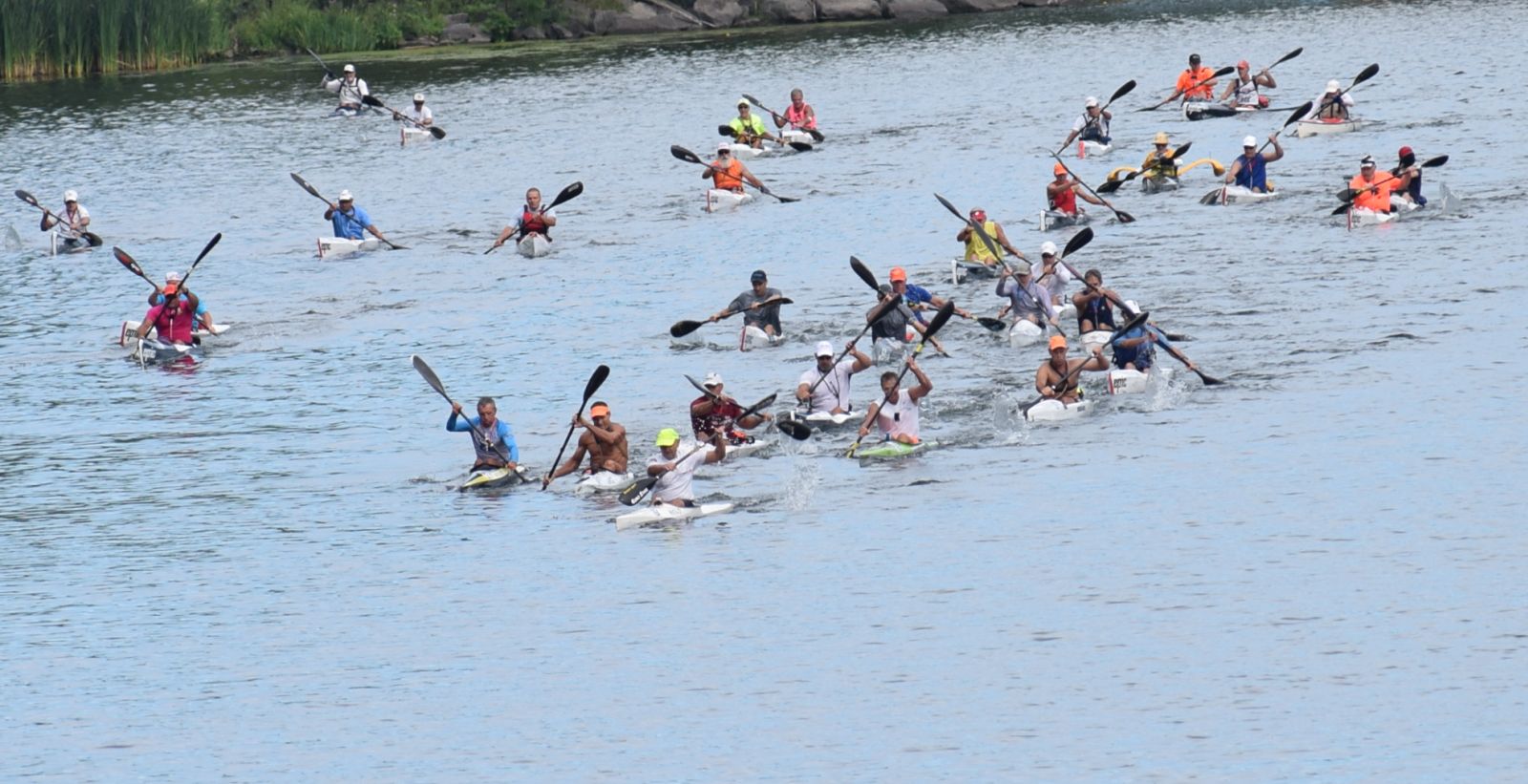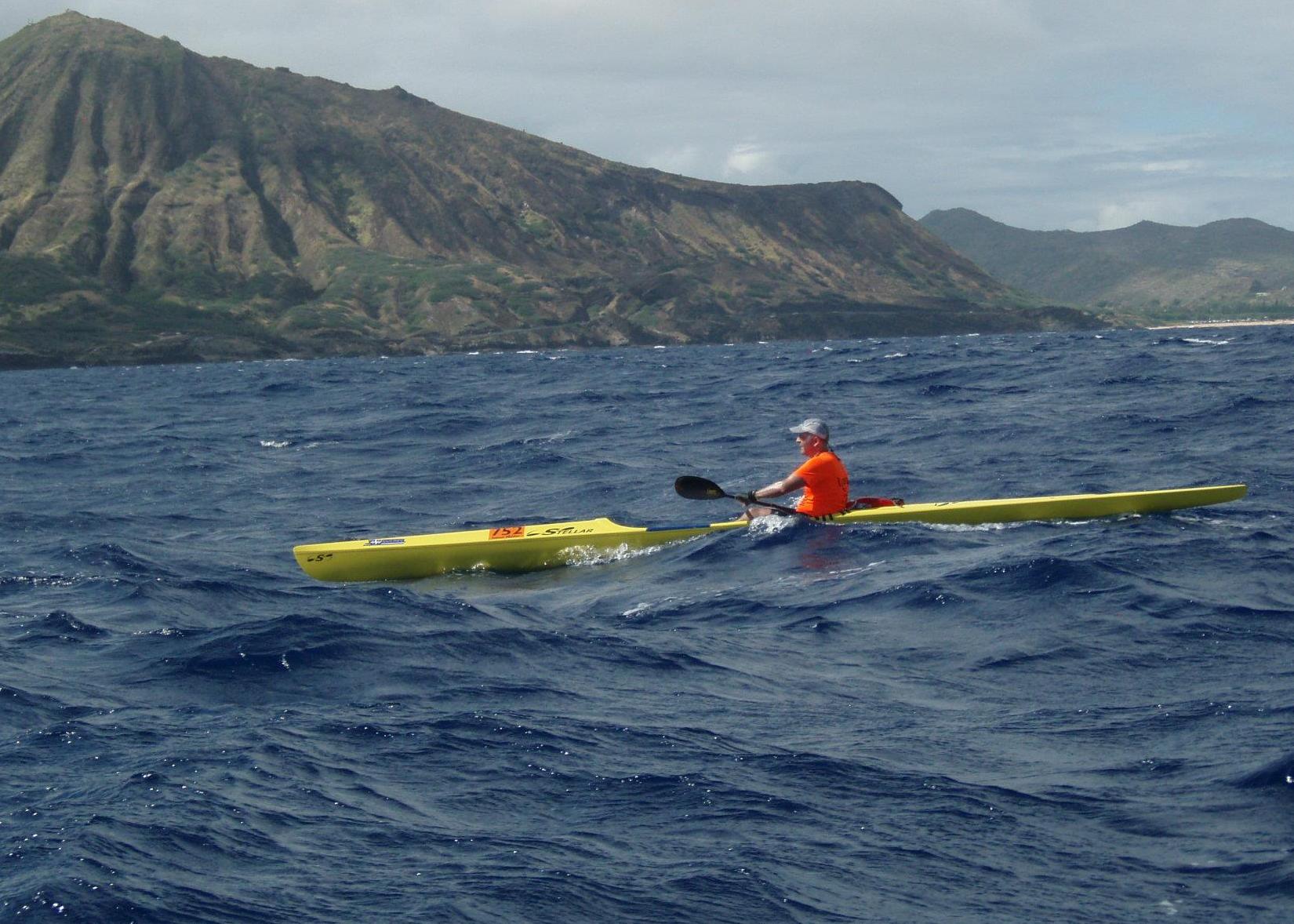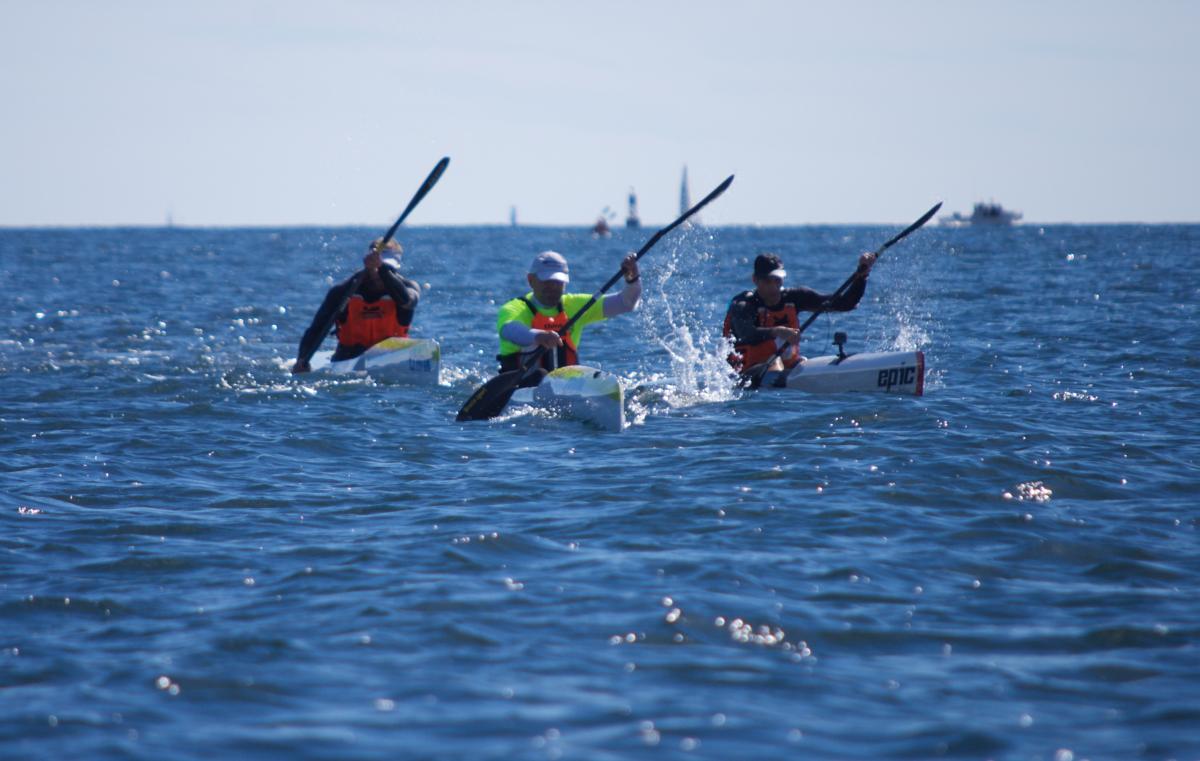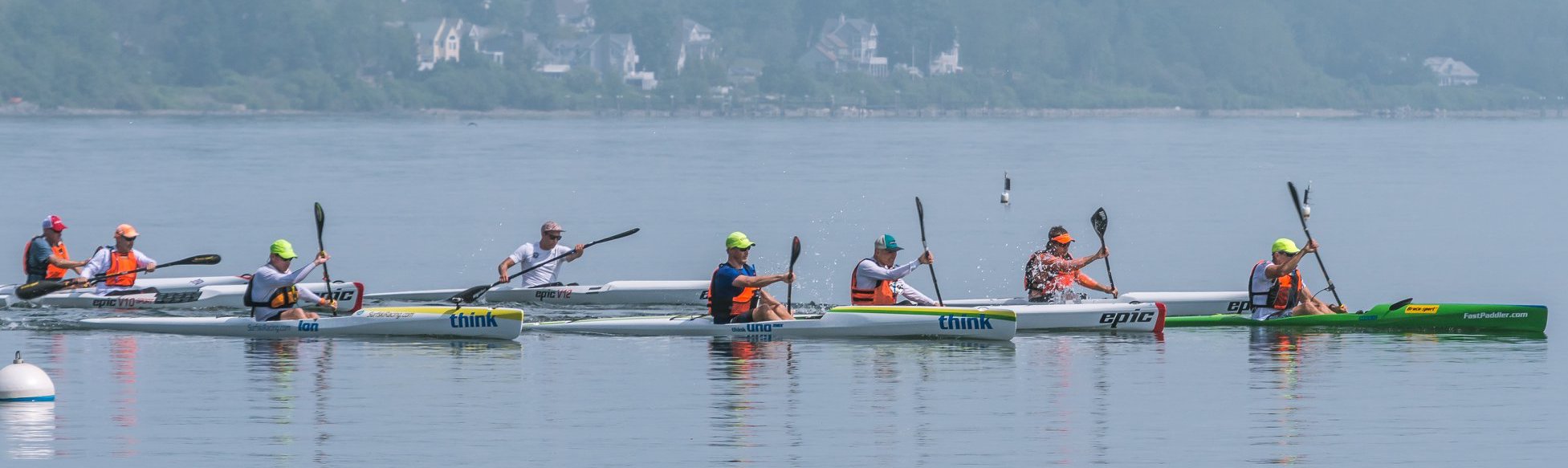
Most races are decided long before the first buoy or the first run. They begin in the final minutes before the start, when paddlers are already spending physical, mental, and emotional energy, whether they realize it or not. The start line is not a pause before the race. It is the opening phase of it.
Positioning matters more than raw aggression. Being early to the line allows time to observe wind angles, current drift, and how the field is arranging itself. Being late forces rushed decisions and unnecessary effort. A clean start is less about explosiveness and more about beginning from water that allows you to paddle your race, rather than immediately reacting to someone else’s.
Warm-ups are often misunderstood here. The goal is not to prove readiness or build confidence through exhaustion. It is to arrive at the line awake, coordinated, and calm. Over-warming leads to panic paddling when the horn sounds. Under-warming leads to frantic acceleration to catch the field. Both result in early energy debt that compounds quickly.
The most common error at the start is treating the first minute as a test of courage. Paddlers sprint because others sprint, not because it serves a purpose. In doing so, they commit to effort without information. Smart starts are controlled starts: assertive enough to secure position, restrained enough to keep options open once the field begins to sort itself out.
Good racecraft at the line looks almost unremarkable. The paddler is not the loudest or the most dramatic. They leave cleanly, avoid unnecessary contact, and enter the first phase of the race already settled. From there, the real work begins—not alone, but among others. The next article explores what happens when individual races merge into packs, and why understanding group dynamics is essential to finishing well.